Abstract
The adoption of Additive Manufacturing (AM), particularly for high-value materials like Ti-6Al-4V, is often motivated by potential sustainability benefits, including material efficiency and lightweighting. However, a quantitative and systematic assessment of its environmental impact, specifically the carbon footprint, is essential for validating these claims. This paper proposes a comprehensive cradle-to-gate calculation strategy for determining the carbon footprint of a Ti-6Al-4V part produced via Laser Powder Bed Fusion (L-PBF). The strategy encompasses all major life cycle stages: raw material extraction and titanium sponge production, Ti-6Al-4V powder atomization, L-PBF manufacturing (including electricity consumption, inert gas usage, and powder waste), and post-processing (heat treatment and support structure removal). A critical aspect of the methodology is the allocation of embodied carbon of the initial powder stock to the final part, accounting for the powder recycling streams inherent to the L-PBF process. The proposed model uses a process-based Life Cycle Assessment (LCA) approach, leveraging empirical energy consumption data and established life cycle inventory databases. The application of this strategy is demonstrated through a hypothetical case study, revealing that the primary contributors to the carbon footprint are the Ti-6Al-4V powder production and the electricity consumption during the build phase. This work provides a standardized framework for manufacturers and designers to accurately evaluate and subsequently minimize the environmental impact of AM components.
Biography
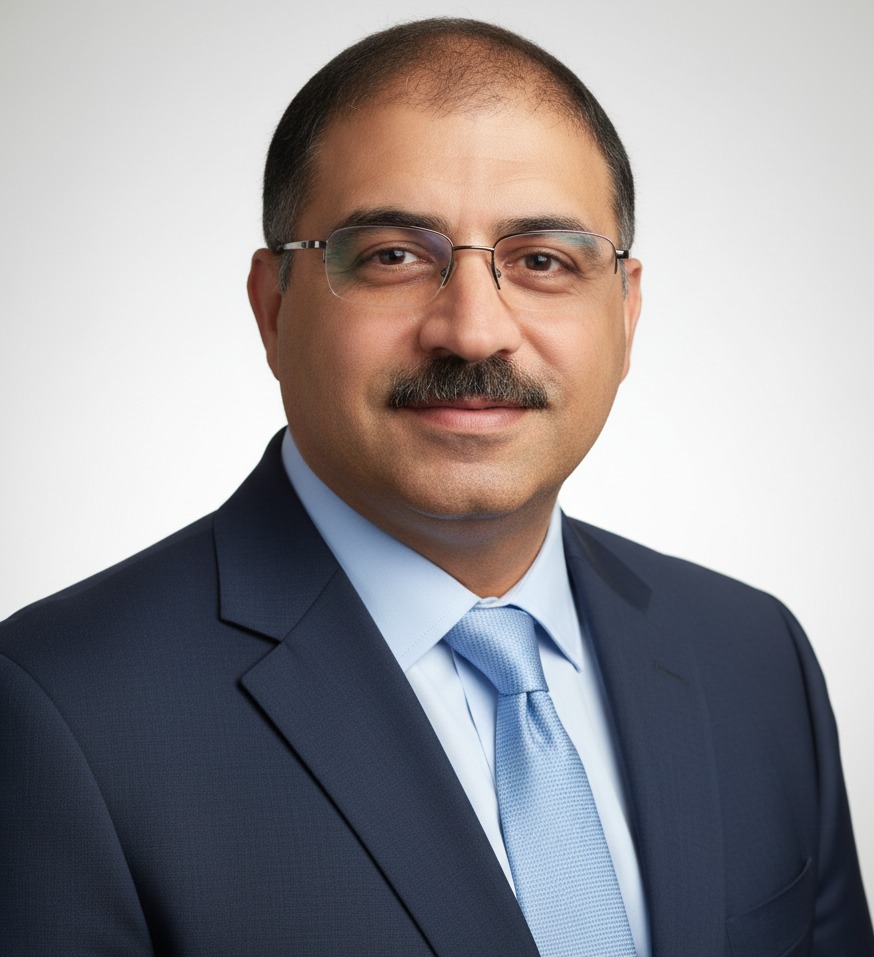
Dr. Mounir FRIJA, a PhD-engineer in Mechanical Engineering (2018), is a member of the UGPMM Research Unit at ENIS, Tunisia. While his early work focused on laser shock peening for aeronautical superalloys, his research has since pivoted significantly. Since 2020, Dr. FRIJA has led a dedicated team of master's and PhD students in the biomechanics field, focusing on the metal additive manufacturing of medical implants and prostheses. His current research investigates post-processing techniques for 3D printed metal components. This is exemplified by a collaboration between the University of Pretoria and the University of Sousse, which explores the effectiveness of laser shock peening on pore closure in 3D printed metal samples using both experimental and numerical approaches.
Abstract
Additive manufacturing (AM), commonly known as 3D printing, enables the fabrication of three-dimensional objects through the layer-by-layer deposition of materials based on digital design files. Although AM has attracted considerable research and industrial interest worldwide, including in Malaysia, the application of 3D printing in the food manufacturing sector remains at an early stage. This study aims to investigate the challenges associated with the implementation of 3D food printing technology in Malaysian food manufacturing firms. A qualitative research approach was adopted using semi-structured, in-depth interviews with seven respondents. Snowball sampling was employed to identify relevant experts based on recommendations from the initial respondent. A review of the literature identified nine key challenges: time-consuming processes, lack of standardization, limited expertise, limitations associated with extrusion moulds and materials, scalability constraints, high implementation costs, food safety, halal compliance, and intellectual property concerns. The interview findings indicated that most respondents had not yet integrated 3D food printing technology into their manufacturing operations. In addition, the respondents identified spare parts availability and maintenance as a further challenge not previously highlighted in the reviewed literature. Overall, the findings indicate that the adoption of 3D food printing technology among Malaysian food manufacturing firms remains at an early stage, with technological, operational, regulatory, and maintenance-related challenges continuing to hinder its implementation.
Biography
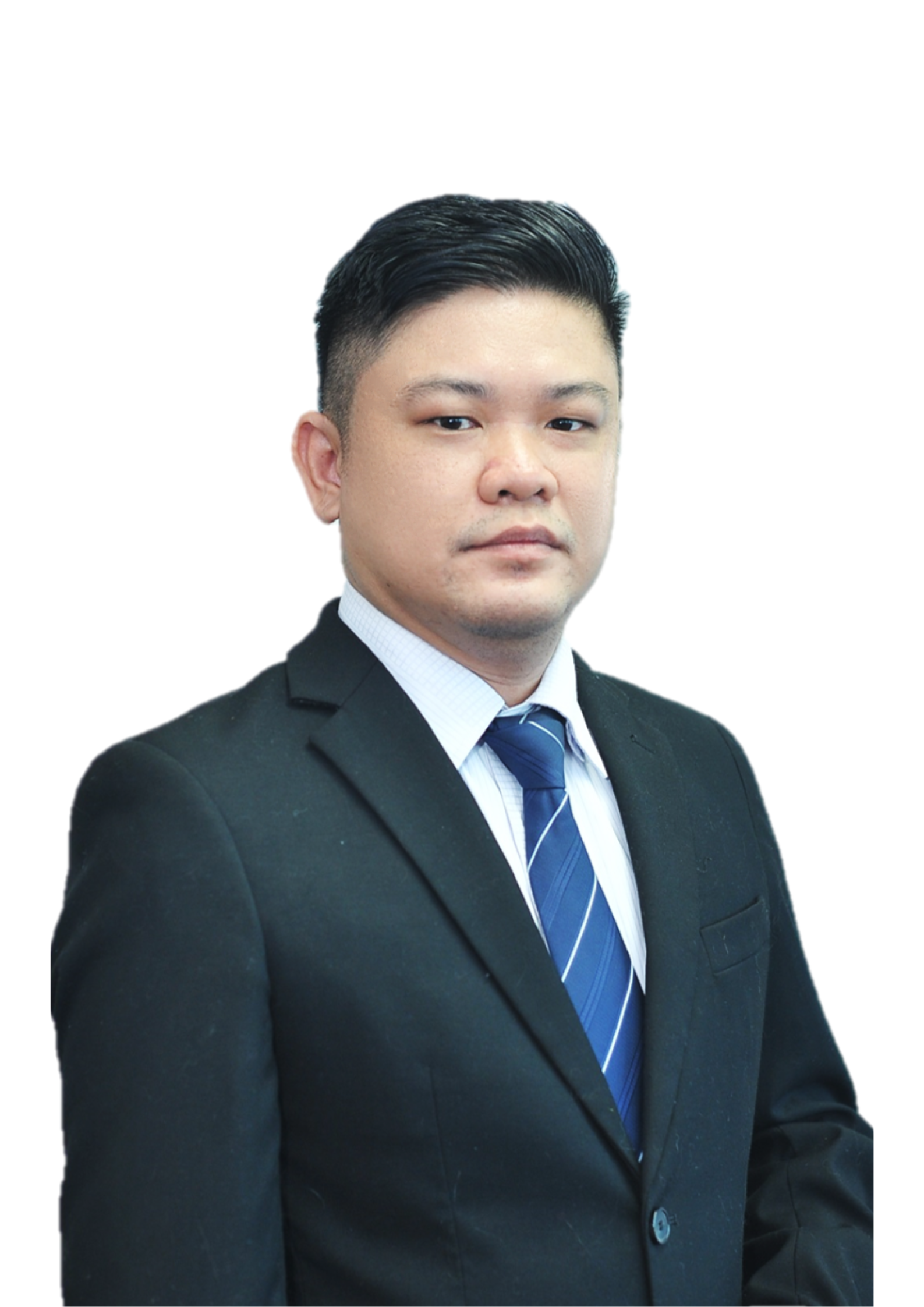
Assoc. Prof. Ts. Dr. Lee Te Chuan is an academic and researcher at Universiti Tun Hussein Onn Malaysia (UTHM), with expertise spanning materials science, advanced materials, 3D printing, and engineering management. His research interests include biomaterials, ceramic and composite materials, additive manufacturing, materials processing, and the management and implementation of emerging manufacturing technologies. His work in 3D printing encompasses technology adoption, materials development, and applications in biomedical and manufacturing sectors. He also conducts research related to Industry 4.0, sustainable manufacturing, and technology management. With an interdisciplinary background in mechanical engineering and technology management, he focuses on integrating materials and manufacturing innovations with practical industrial applications. He currently serves as Editor-in-Chief of the Journal of Sustainable Materials Processing and Management and Associate Editor of Journal of the Australian Ceramic Society.
Abstract
The construction industry is facing a growing challenge associated with workforce ageing, difficulties in generational replacement, and the declining attractiveness of traditional construction occupations among younger generations. Beyond its technological and environmental implications, 3D concrete printing (3DCP) may represent an opportunity to redefine how construction work is perceived, organised, and performed, creating new professional profiles at the intersection of construction, digital fabrication, robotics, materials science, design, and data-driven manufacturing.
This contribution analyses the potential of 3DCP as a strategic tool for attracting young talent to the construction sector. Additive manufacturing replaces part of the conventional repetitive and physically demanding site work with digitally assisted processes involving parametric design, BIM-to-production workflows, robotic operation, material optimisation, monitoring, quality control, and advanced manufacturing. As a result, the construction site increasingly becomes a technologically intensive production environment requiring multidisciplinary skills and offering career paths that are closer to those traditionally associated with advanced industry.
The implementation of 3DCP may therefore contribute not only to productivity, automation, and material efficiency, but also to a broader cultural transformation of the sector. Its highly visible technological component can facilitate engagement with students, vocational training centres, universities, and young professionals while creating opportunities for new hybrid profiles such as additive manufacturing technicians, robotic construction operators, digital fabrication specialists, computational designers, and engineers specialised in printable cementitious materials.
However, technology alone cannot resolve the construction workforce crisis. Its capacity to attract and retain talent depends on the parallel development of training programmes, professional qualifications, industrial career pathways, and stronger collaboration between companies, universities, vocational education, and technology centres.
3D concrete printing should therefore be understood not only as a new construction method, but as an enabling technology capable of supporting the transition towards a safer, more industrialised, digitally skilled, and attractive construction sector for a new generation of professionals.
Biography
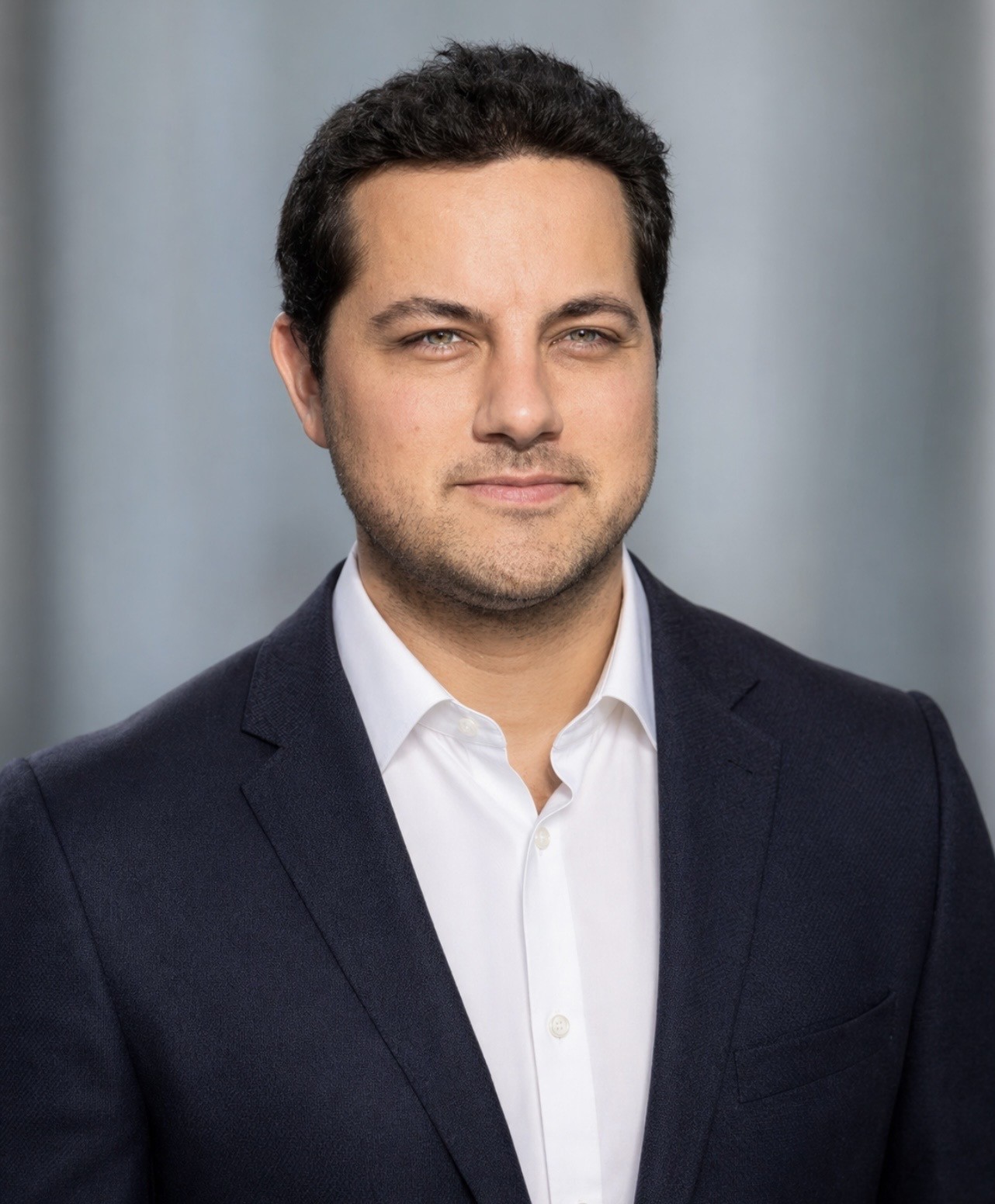
Víctor Martínez Pacheco is a PhD architect specializing in advanced materials innovation and additive manufacturing for the construction industry. He currently serves as Director of the 3D Lab at Cementos La Cruz, where he leads research and development projects focused on 3D concrete printing, low-carbon cement technologies, and the industrialization of construction processes. Alongside his research activities, he combines architectural practice with university teaching and scientific outreach, fostering knowledge transfer between academia and industry to advance more sustainable, efficient, and innovative construction technologies.
Abstract
India presents a unique and rapidly evolving market for 3D printing, where affordability,
accessibility, and application-driven adoption are playing a critical role in expanding the
technology beyond traditional industrial users. With the growing availability of low-cost 3D
printers, businesses, educational institutions, designers, makers, and individual consumers are
increasingly exploring additive manufacturing for prototyping, customized products, small-batch
production, education, and entrepreneurship.
In this session, I will share practical insights from working as a 3D printing consultant across
both B2B and B2C markets in India. The discussion will focus on what it takes to move from
simply purchasing a 3D printer to building a sustainable and commercially viable 3D printing
business.
The session will examine different business models, customer segments, application
opportunities, and the factors that influence purchasing and adoption decisions. Particular
attention will be given to the role of affordable 3D printers in democratizing additive
manufacturing and creating opportunities for small businesses and first-time users.
I will also discuss common challenges, including selecting the right technology, understanding
the real cost of 3D printing, identifying profitable applications, customer education, skill
requirements, and moving from experimentation to repeatable business outcomes.
The objective is to provide a ground-level perspective on India’s 3D printing business
ecosystem and share lessons that may be relevant to entrepreneurs, manufacturers, technology
providers, consultants, and professionals exploring opportunities in emerging additive
manufacturing markets worldwide.
Biography
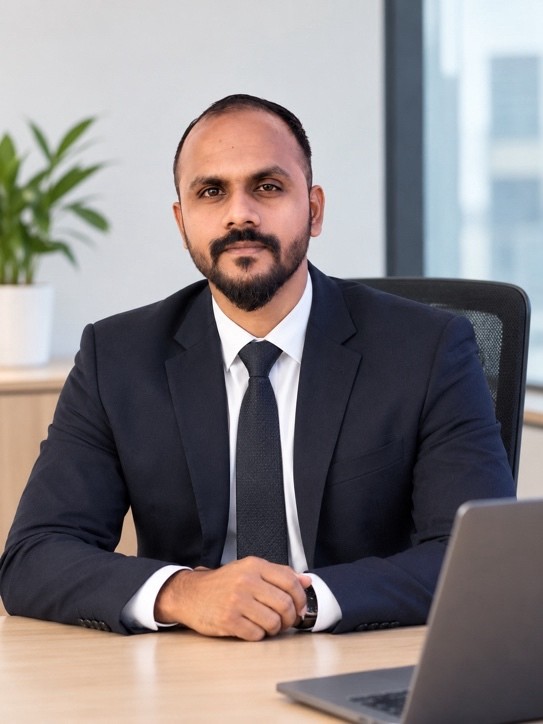
Mechanical Engineer with experience in the 3D Printing industry, specializing in technical sales, business development, and helping companies translate 3D printing technologies into real business opportunities. Over the years, my role has evolved from engineering and design to working closely with customers, engineering teams, and leadership to identify practical applications of 3D printing and turn them into viable products and solutions. I focus on bridging the gap between technology, engineering teams, and market needs. With a background in mechanical engineering and hands-on industry experience, I enjoy working at the intersection of technology, business strategy, and customer engagement, helping companies unlock the full potential of 3D printing.

Abstract
3D Printing with Continuous Fibre reinforcement
This speech gives insights into the Continuous Fibre Co-Extrusion technology. It discusses the technology and focusses on Fibre placement driven by simulation results to position fibre only at the point of need. It also discusses the usage of AI to help finding best in class solutions. It closes in showcasing dedicated applications and outcomes.
Biography
Lutz Feldmann Vice President EMEA at FibreSeek Lutz graduated with a Diploma in Plastics Engineering back in 1988 in Darmstadt and followed the 3D Printing Industry since then. For over 25 years he hold senior positions at SolidWorks and Dassault Systemes and was always closely attached to engineering and design. The last six years Lutz is managing the channel partners for major 3D Printing vendors, specializing in the field of continuous fiber supported composite printing. In his current role he is building up a channel ecosystem for FibreSeek .
Abstract
From Imaging to Impact: Medical and Healthcare Applications of 3D Printing
Three-dimensional (3D) printing offers a practical pathway for translating medical imaging and clinical needs into personalized tools for patient care, education, research, and hospital operations. Drawing on multidisciplinary projects at Tampa General Hospital and the University of South Florida, this lecture explores how hospital-based additive manufacturing can connect digital planning with tangible healthcare applications.
The presentation follows the workflow from image acquisition and anatomical segmentation to virtual surgical planning, design, fabrication, and application-specific validation. Clinical examples include anatomical models for complex surgical planning, patient-specific cutting guides, and craniomaxillofacial reconstruction technologies. In-house design of patient-specific PEEK implants, with external manufacturing, illustrates how digital expertise and production partnerships can complement point-of-care capabilities.
Beyond surgical applications, the lecture highlights projects addressing patient engagement, clinical training, and operational challenges. The “Meet Your Heart” initiative offers transplant recipients a personalized model of their heart, combining patient education with a meaningful keepsake. A spina bifida repair simulator and maxillofacial nerve-block training models demonstrate applications in procedural education. Custom blood-bank cooler inserts illustrate how targeted design can address blood-product waste and create opportunities for measurable operational and economic improvement.
Emerging directions include artificial intelligence–assisted anatomical landmark identification, automated surgical planning tools, and patient-specific device design, with an emphasis on connecting imaging, planning, and manufacturing within more reproducible workflows. Implementation considerations include interdisciplinary collaboration, material selection, quality assurance, regulatory requirements, workflow integration, and evaluation of clinical and economic value.
By connecting clinical care, research, and education, this presentation provides a practical framework for identifying meaningful use cases, developing collaborative workflows, and assessing the impact of 3D printing beyond the printed object.
Biography
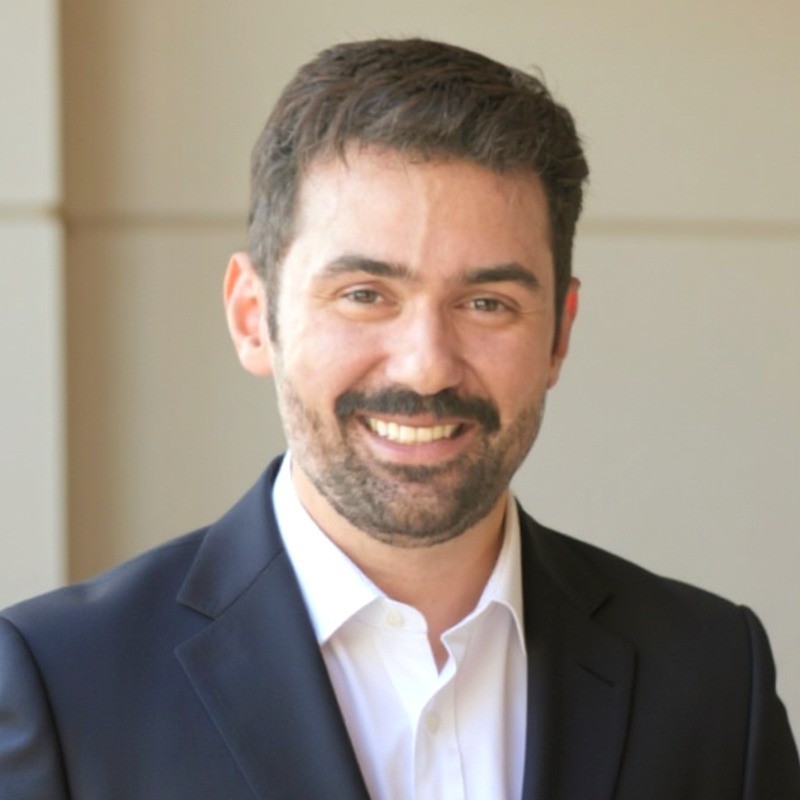
Dr. Devid Zille is a Brazilian-trained maxillofacial surgeon and expert in medical 3D printing, virtual surgical planning, and additive manufacturing. He serves as Director of the Medical Visualization and Printing Lab at Tampa General Hospital and Assistant Professor in the Department of Radiology at the University of South Florida’s Morsani College of Medicine, leading clinical, research, and educational programs. He previously established and directed the additive manufacturing laboratory at Hospital Sírio-Libanês and held leadership positions at CPMH, Acumed, and Osteomed. He earned his dental degree with honors from the University of Brasília, completed a maxillofacial surgery residency at Base Hospital in Brasília, and undertook training at John Peter Smith Hospital in Texas. His contributions include scientific publications, patents and innovations in patient-specific implants and surgical guides.

Abstract
Nanomedicine is the use of nanomaterials to improve disease prevention, detection, and treatment which has resulted in hundreds of FDA approved medical products. While nanomedicine has been around for several decades, new technological advances are pushing its boundaries. For example, this presentation will present an over 30 year journey of commercializing nanomaterials for orthopedic implants now in over 45,000 patients to date showing no signs of failure. Current orthopedic implants face a failure rate of 5 – 10% and sometimes as high as 60% for bone cancer patients. Further, this talk will present future research directions into using atomic layer deposition (ALD) to create such nanostructures on implants to reduce infection and improve bone growth. Sensors grown off of orthopedic implants using ALD will also be discussed in which cell presence on orthopedic implants can be detected and quantified. Such information can also be communicated to a handheld device to better inform surgeons on chances of implant success or failure. Such sensors can also release pharmaceutical agents and/or nanoparticles on-demand to ensure implant success. Lastly, this talk will cover how Artificial Intelligence (AI) can be combined into today’s orthopedic implants to predict implant success or failure in the years that follow.
Biography
Thomas J. Webster’s (H index: 139) degrees are in chemical engineering from the University of Pittsburgh (B.S., 1995; USA) and in biomedical engineering from RPI (Ph.D., 2000; USA). He has formed over a dozen companies who have numerous FDA approved medical products currently improving human health in over 45,000 patients. He is currently helping those companies and serves as a professor at Brown University, Saveetha University, Hebei University of Technology, UFPI, University of the Basque Country, and others. Dr. Webster has numerous awards including: 2020, World Top 2% Scientist by Citations (PLOS); 2020, SCOPUS Highly Cited Research (Top 1% Materials Science and Mixed Fields); 2021, Clarivate Top 0.1% Most Influential Researchers (Pharmacology and Toxicology); 2022, Best Materials Science Scientist by Citations (Research.com); and is a fellow of over 8 societies. Prof. Webster is a former President of the U.S. Society for Biomaterials and has over 1,350 publications to his credit with over 55,000 citations. He was recently nominated for the Nobel Prize in Chemistry. Prof. Webster also recently formed a fund to support Nigerian student research opportunities in the U.S.
“ Will be updated soon...”
“ Will be updated soon...”