
Abstract
Founded in 2016, by Melanie Vrtischan, the International Coalition against Electronic Torture and Robotization of living beings (ICATOR) is a Belgian-registered human rights NGO dedicated to exposing and ending electronic harassment. This phenomenon is dynamically classified as Havana Syndrome, Anomalous Health Incidents (AHI), and, as of early 2026, Directed Energy BioEffects (DEBE). Since the initial 2016 case involving a U.S. diplomat in Havana, Cuba, over 2,000 individuals have reported synthetic, remotely induced symptoms. This prompted the U.S. government to establish the HAVANA Act congressional committee, conduct extensive investigations, and acknowledge the utilization of Directed Energy Weapons (DEW).
To combat these violations, ICATOR actively raises awareness and lobbies politicians, the media, the UN, and international organizations, while concurrently pursuing an international class action lawsuit. In this presentation, ICATOR’s Australian and UK board members will share their experiences with severe health complications resulting from concentrated DEW and electromagnetic field (EMF) exposure. Crucially, both presenters have secured medical reports confirming Havana Syndrome/DEBE as the root cause of their diagnoses. This clinical evidence represents a critical advancement in demonstrating that civilian victims deserve the same recognition, investigation, and medical validation as affected diplomatic and governmental personnel.
For the GSG November 2026 conferences - Melanie Vritschan will detail her efforts to seek truth and justice for all victims, which she has continued with for over a decade, and the more recent developments in our victims community. And ICATOR's UK representative Alison Smith, will share her efforts in the UK and her personal health experiences.
Biography
A motivated, reliable, and courteous individual and victim of electronic harassment and nonconsensual targeting. ICATOR - Currently I am UK board member and representative for Icator – International coalition against electronic torture and robotization of living beings. Icator is a Belgin based human rights association representing victims of electronic harassment – AKA – “Havana Syndrome” - on an international basis. We advise, make referrals and are working towards an international class action lawsuit and working with technical and medical experts. Our legal representatives are Droits Libertes – “Rights & Freedoms”, a Belgian legal firm, who take on only public interest cases. We are also in partnership with other international groups, including a medical association who we are creating a clinic for our members to receive health care, and the CHD –“Child Health Defence” group, who were founded by Mr Robert Kennedy Jr. My duties for Icator include – liaising with medical and technical experts, creating new opportunities and partnerships, maintenance of our members and website, promotion, organising scanning events, and administration. Amy Holem – “Aimee’s Audios” – I work for Amy Holem, who is Icator’s technical advisor and digital forensics expert. I aid her in conducting audio analysis of radio communications of criminals committing an array of crimes to victims of electronic harassment. Other - I worked as a salesperson & head of the Hi-Tech department for a music retail chain –duties - sales, customers, demonstrations, deliveries, specialist training from product manufacturers such as – KORG, ROLAND, MOOG, STEINBERG. I have worked in studios & did workshops & teaching in studio environments. Duties Recording, mixing, editing, mastering, composition, DSP, production, studio design. I have been a drum & guitar tutor on and off. I worked providing debt advice and in collections for banks and debt recovery companies, duties - debtors, negotiation, payment arrangements, account management & referrals to solicitors. From young I worked as an assistant chef in care homes. Education – 9 GCSE’s - school Music Technology BTech Diploma – College Production, Engineering & Sound creation - BA Hons – University
Melanie is German and lives in Brussels. During two decades, she has gained valuable experience in public relations and events management of international associations. Her former positions involved close cooperation with the European Institutions and organisation of numerous international conferences and trade shows. Melanie has a proven track record in working with high-level authorities such as the European Commission and the European Parliament, the organisation of network meetings, needs assessment and implementation for particular “client groups” as well as successfully carrying out pan-European and interregional projects with the aim of promoting international cooperation.In her last position, she has worked as the Communications Manager of a European navigation satellite system developed by the European Space Agency (ESA). Prior to this, she was the Public Relations and Events Officer at a European Foundation committed to the improvement of rights and situations of youth at risk. The organisation is acting as a lobbying and advocacy platform towards the European Union.For most of her life, she was a passionate marathon runner. Melanie has been the team leader of various group marathons she organised for awareness- and fund-raising benefiting children charities or homeless persons’ refuge projects. To her great regret, such activity is now infeasible due to the physiological damage and debility suffered as a consequence of being a victim of electronic terrorism.
Abstract
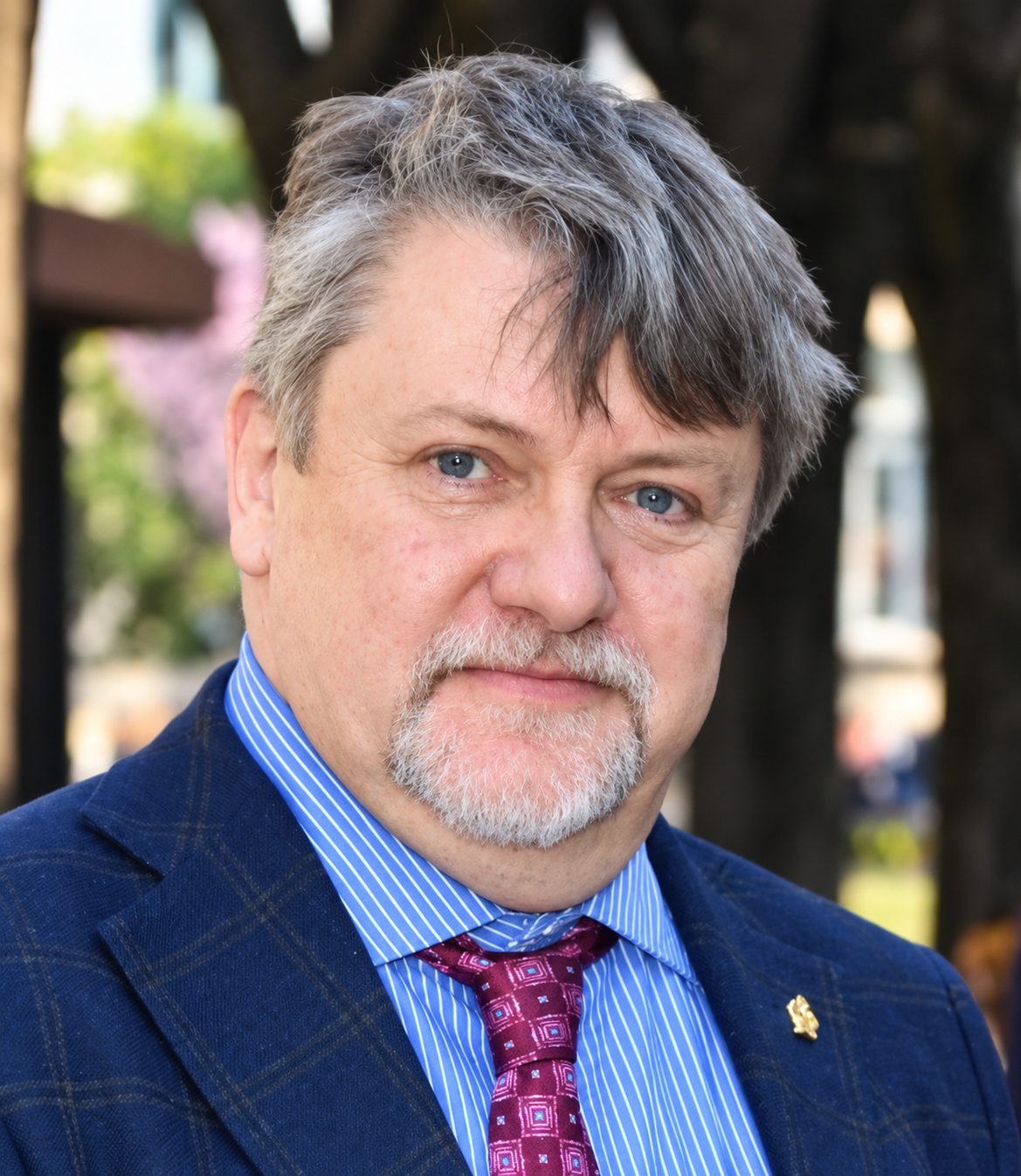
The security verification of identity documents remains a key issue in an era of rapid technological innovation and the need to combat various forms of criminal activity.Authenticity verification—conducted using scientific tools and ranging from field checks to specialized laboratory analysis—has undergone profound changes over time, even while remaining rooted in traditional investigative practices.The presentation will outline how the history of document forgery has shaped various operational approaches, depending on the historical period and the tools available to those conducting the checks.The analysis will then shift to the present, examining the best investigative methods enabled by current technologies—along with their inherent limitations—and focusing on the “three pillars” of document verification.Finally, the presentation will envision a potential future involving AI, while emphasizing that the human element remains indispensable due to its quick thinking, creativity and investigative intuition.
Biography
Davide Capsoni, an Associate Professor at the Institute of Forensic Sciences in Milan (Italy), has served with the Milan Local Police since 1986 and has headed its Document Forgery Unit since 2000. He is an instructor at various police training academies, specializing in document verification, anti-counterfeiting, anti-fraud measures, and the forensic analysis of documents and handwriting.
Abstract
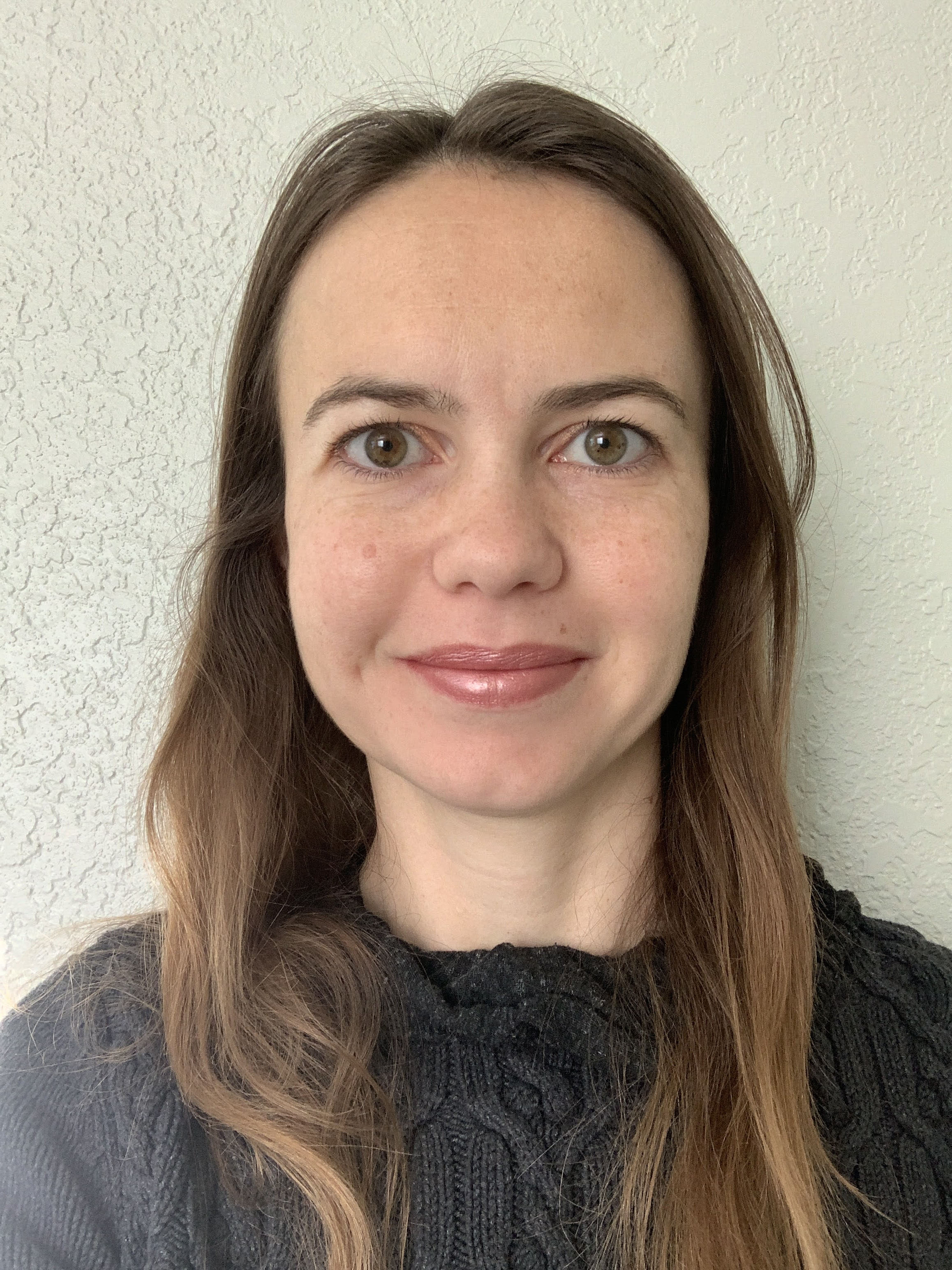
Forensic dental identification is an important method of human identification, particularly when remains are decomposed, burned, mummified, or skeletonized and visual identification is unreliable. This presentation reviews the principal methods of identification, including visual examination, personal effects, fingerprints, identifying marks, dental and medical findings, and DNA. It highlights the limitations of visual identification and fingerprints, as well as challenges associated with DNA identification, including damage from extreme conditions, processing time, and cost. Dental identification is particularly valuable because teeth and dental restorations are highly durable and can withstand conditions that may severely damage other forms of identifying evidence. The presentation discusses the forensic value of dental anatomy, restorations, dental anomalies, iatrogenic features, and craniofacial anatomy. The combination of restorative procedures, anatomical characteristics, and treatment history can provide highly individualized patterns for comparison.The dental identification process involves documenting the postmortem findings through photographs, dental and craniofacial examination, full-mouth radiographs, and dental charting, followed by comparison with available antemortem records. Useful antemortem evidence includes dental radiographs, dental charts, treatment notes, models, photographs, social media images showing the teeth, and dental appliances such as dentures, retainers, mouthguards, and nightguards. Medical and craniofacial imaging may also provide valuable evidence when dental records are unavailable. Ultimately, forensic dental identification depends on evaluating consistencies and determining whether any discrepancies can be explained. The presentation introduces American Board of Forensic Odontology terminology for reporting conclusions, including positive identification, possible identification, insufficient data, and exclusion. Dental identification can therefore provide a rapid and cost-effective method of establishing identity, particularly in cases where other identification methods are limited by the condition of the remains.
Biography
Dr. Cristina M. Dalle Grave graduated from the Lutheran University of Brazil in 2005. After taking several seminars on forensics, Dalle Grave was accepted on the Forensic Odontology Fellowship from the University of Texas Health Science Center in San Antonio graduating in 2009. She is a member of the American Academy of Forensic Sciences (AAFS), the American Society of Forensic Odontology (ASFO), and a Diplomate of the American Board of Forensic Odontology (ABFO). Dr. Dalle Grave has presented at AAFS annual meetings and at the Southwest Symposium in San Antonio, TX. She was the recipient of ABFO and ASFO research grants in 2008. Dr. Dalle Grave is a forensic odontology consultant for the Office of the Medical Investigator in New Mexico (OMI) and also for several Colorado Coroner’s Offices. She has been a forensic team member on the NM Mass Fatality Dental ID team and Kenyon Internation Emergency Services team.

Abstract
Forensic investigations are complex, multidisciplinary processes requiring effective coordination from crime-scene examination through laboratory analysis and courtroom presentation. Although forensic science has established procedures for evidence recovery and analysis, the investigation as a whole is often managed across separate professional and organizational boundaries. A more integrated management approach is therefore needed to strengthen continuity, accountability, evidentiary integrity, and investigative efficiency. This paper proposes a Forensic Investigation Management (FIM) framework that treats the investigation as a coordinated project from scene to verdict. Its novelty lies in integrating project-management principles, including planning, scheduling, resource allocation, risk management, quality assurance, stakeholder coordination, and performance monitoring, with established forensic methodologies.The paper adopts a conceptual and practice-oriented approach, organizing forensic investigations into four interconnected phases: scene assessment; evidence collection and preservation; laboratory analysis; and courtroom presentation. The framework incorporates documentation, chain-of- custody controls, defined responsibilities, communication pathways, quality assurance, and milestone-based monitoring across the investigative lifecycle. Relevant forensic standards, professional guidance, and practical case-study applications inform the framework.The proposed approach provides a unified management structure that can improve coordination among investigators, forensic scientists, digital forensic practitioners, legal professionals, and other stakeholders. It emphasizes that evidentiary reliability depends not only on scientific examination but also on effective management of the processes connecting each investigative stage.Forensic institutions should adopt standardized investigation-management frameworks, strengthen multidisciplinary training, establish measurable investigative milestones, and implement secure evidence-management and tracking systems. Periodic quality reviews should also be undertaken to identify operational gaps and support continuous improvement.The paper advances a paradigm in which forensic investigation is viewed as both a scientific process and a multidisciplinary project extending from scene to verdict. The framework is adaptable across forensic disciplines, investigative agencies, jurisdictions, and legal environments, offering a globally relevant approach to strengthening evidence integrity, investigative efficiency, collaboration, and justice outcomes.
Biography
Prof. (Mrs.) Stacy A. C. Nwodo, PhD, affectionately known as “ADA Forensics,” is a distinguished Professor and global authority in forensic accounting, financial intelligence, security strategy, and forensic investigations. She holds two PhDs in Forensic Accounting and Audit and another PhD in Security and Strategic Studies, supported by multiple professional qualifications and certifications. As a Chartered Accountant and licensed forensic expert, she combines rigorous scholarship with practical field experience, advancing forensic capacity through specialised training, research, publications, and professional practice. Prof. Nwodo holds strategic leadership positions with CIFCFIN, JJTC/ICDMFS, and IACDECFP-UK. She is Professor and Faculty Member at Charisma University, USA, and Faculty Member at the International Business School IBS-Nigeria. Beyond her professional achievements, she is committed to mentorship, leadership, and community service. Her work reflects a powerful commitment to integrity, accountability, justice, and the continuous advancement of forensic practice globally.
Abstract
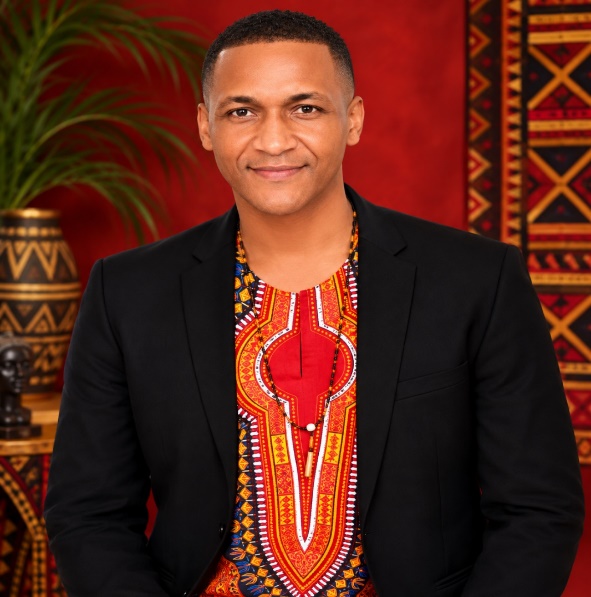
Medico-legal examination after rape serves a dual purpose: to provide appropriate clinical care and, where the survivor chooses, to document and preserve evidence that may be relevant to a criminal investigation. The quality of this approach depends on timely examination, informed consent, appropriate evidence collection, accurate injury documentation, the availability of forensic resources, and coordination between health, police and laboratory services. Evidence from South Africa indicates ongoing challenges with access to and continuity of post-rape care.A qualitative study was conducted at three Thuthuzela Care Centres in South Africa. The broader study included 17 adult female rape survivors and 28 service providers. This presentation presents a descriptive summary of survivors’ responses concerning their medico-legal examinations and a reflexive thematic analysis of interviews with nine medical service providers (six forensic nurses and three medical doctors). The interviews explored participants’ experiences of examination, evidence collection, documentation and service-level challenges affecting the medico-legal pathway.Eight survivors spoke positively about their medico-legal examination, mainly because they were made comfortable, treated with dignity and informed about procedures. Six described the examination as painful, traumatic or invasive, while three did not respond to this question. Medical service providers described practical and system-level issues affecting the forensic pathway, including limited availability of female examiners, bathing before examination, decisions to decline forensic examination, shortages of female medico-legal clinicians, uncertainty concerning evidentiary admissibility and documentation, delays in obtaining rape kits, transport difficulties, and concerns about the practical implementation of the J88 medico-legal form.The findings indicate that the quality of the medico-legal response depends on more than the technical examination itself. Survivor-centred consent and communication must be augmented by reliable access to evidence-collection materials, competent documentation, timely laboratory processing and effective coordination across sectors. Strengthening these linked components may improve the continuity and forensic utility of post-rape services in South Africa.
Biography
Dr Nigel Bradely Bougard holds a MA and PhD in Criminology from the University of Pretoria (UP). He is as an academic and researcher at the University of South Africa (UNISA), Department of Criminology and Security Science. His research interests include violent crimes, political offences, economic crimes, gangsterism, victimology; and criminological assessment and evaluation of offenders. He is actively involved in postgraduate supervision and training of both honours and masters’ students. Dr Bougard comes with extensive practical and theoretical experience in both Criminology and Victimology.
Abstract
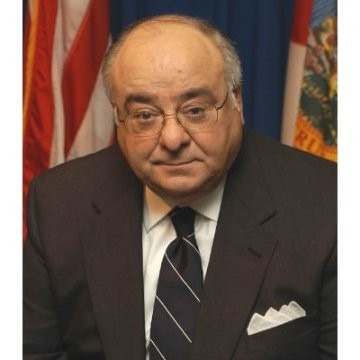
This will be a presentation of real crime scenes and the management of efforts bringing together the forensic experts and the investigative personal to solve real cases. Having lead the Homicide Department department unlike CSI and other programs, police fail to collect and properly analysis a crime scene which I will demonstrate. We need to in terpret crime scenes. Sloppy police investigations, lazy forensic personnel team up to reduce the ability to solve cases with solid evidence. The research profession needs to catch up with policing, corrections and juvenile jus tice, and define a role for itself in the problem solving process. The research community needs to find ways to bring its analytical skills, its objectivity, its rigor, its independence, its ability to link theory and practice, into the messy arena of contemporary practice. Although we have made progress, the need is tremendous.
Biography
Anthony Schembri is a respected law enforcement and academic professional with over four decades’ experience in the field. Over the years, he has drawn praise from such varied sources as New York City Mayor, President Jimmy Carter, Florida Governor Jeb Bush, and New York Governor Mario Cuomo. First appointed to the Brooklyn District Attorneys Office he advanced to Deputy Chief of the Narcotics Bureau, then to Director of Training at the District Attorneys Police Academy. Anthony Schembri has served as the city’s Deputy Inspector General, investigating cases of major crime and corruption. He was appointed by the Mayor of New York as Corrections Commissioner, a position putting him in charge of 12,000 uniformed officers and 20,000 inmates at 19 separate jail facilities. Today, the Citrus County, Florida, resident serves as a Visiting Professor at Oxford and Sheffield Hallam University and named Outstanding Professor of the Year at the University of Florida.
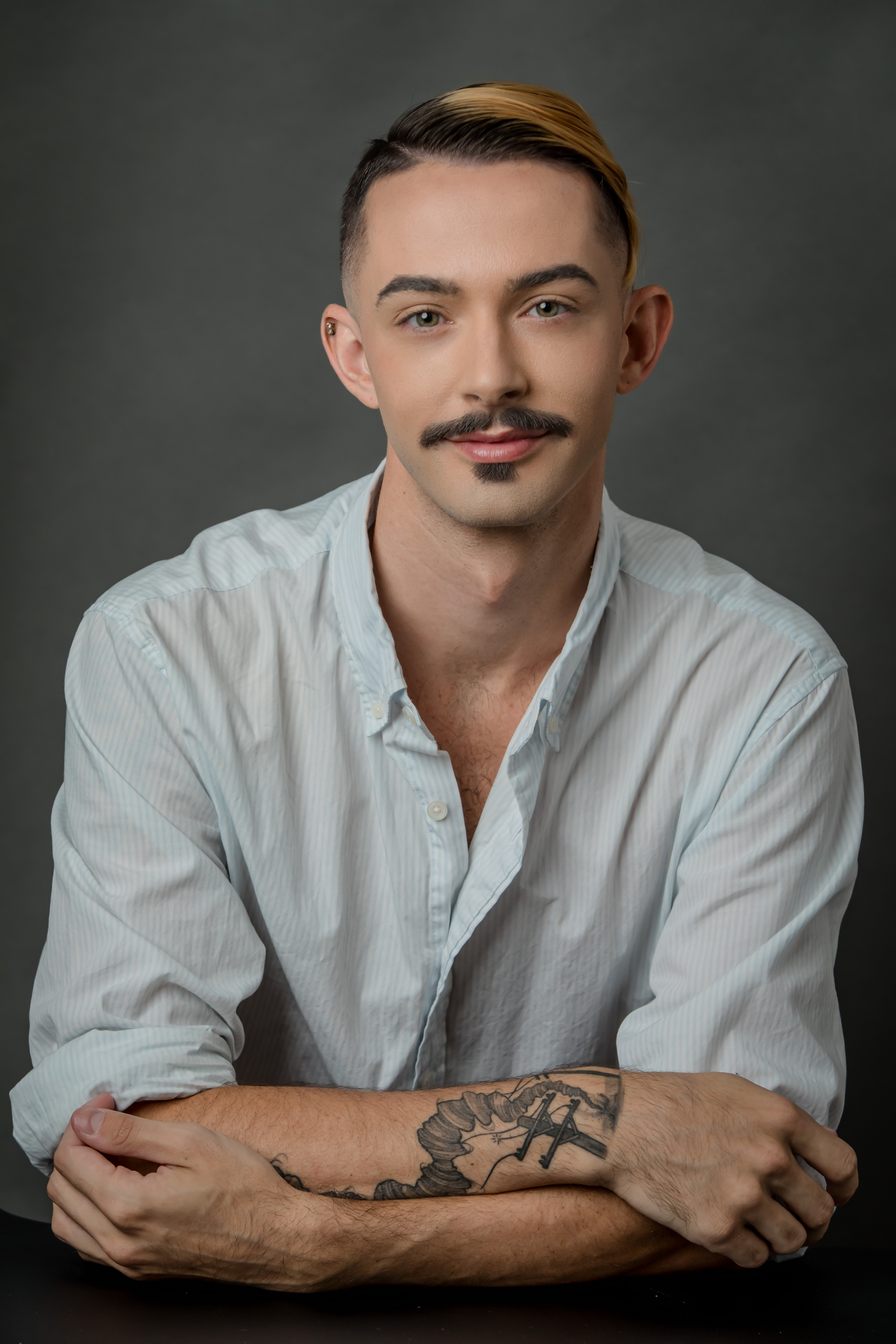
Abstract
Diversity, equity, inclusion, and belonging (DEI-B) are increasingly recognized as essential to innovation, rigor, and legitimacy in forensic science. Despite growing awareness, substantial gaps persist across forensic science education and professional practice, particularly for LGBTQ+, Black, Indigenous, and People of Color (BIPOC), and neurodivergent individuals. Concurrently, limited demographic data, underrepresentation in leadership, microaggressions, and the “leaky pipeline” effect in forensic science have contributed to the inequities faced by underrepresented minority (URM) groups. This prestation aims to synthesizes existing literature, historical context, and workforce data to examine the current state of DEI-B within U.S. forensic science academic programs and crime laboratories, emphasizing the critical role of ‘belonging’ in retention, performance, and professional advancement. Historical and systemic discrimination—such as the legacy of the Lavender Scare, racial bias, and exclusionary institutional practices—continues to shape policies and workplace culture in forensic science. This presentation argues that DEI-B must move beyond awareness initiatives toward structural integration within forensic science curricula, training, and organizational practices. Incorporating DEI-B into academic programs through inclusive case studies, bias-aware pedagogy, culturally competent training, and attention to neurodiversity can better prepare future practitioners for complex real-world challenges while fostering psychological safety and belonging. Several forensic subdisciplines—including DNA analysis, anthropology, digital forensics, and jurisprudence—demonstrate how inclusive approaches can improve scientific outcomes and community trust. Ultimately, systemic curricular reform and institutional accountability are necessary to ensure forensic science evolves with changing societal demographics and the next generation of forensic professionals.
Keywords: diversity, belonging, forensic science, LGBTQ, BIPOC
Biography
Dr. Paul Yount, DFS is an Assistant Clinical Professor and the Director of the Arizona Forensic Science Initiative (AFSI) at Arizona State University School of Interdisciplinary Forensics. He is also a former forensic DNA analyst with the Phoenix Police Department Crime Lab—where he served for 5 years working on hundreds of homicides and sexual assault cases. His previous research investigated inaccuracies in bloodstain pattern analysis and DNA recovery in unidentified human remains (UHR) investigations. His current research centers around workplace and academic belonging and curriculum reform. Paul is a Certified Forensic Manager (CFM-1) and he has served on the Phoenix LGBTQ Employees and Allies Executive Board and the Young Forensic Scientist Forum (YFSF) and Community Connections Committee (CCC) within the American Academy of Forensic Sciences (AAFS).
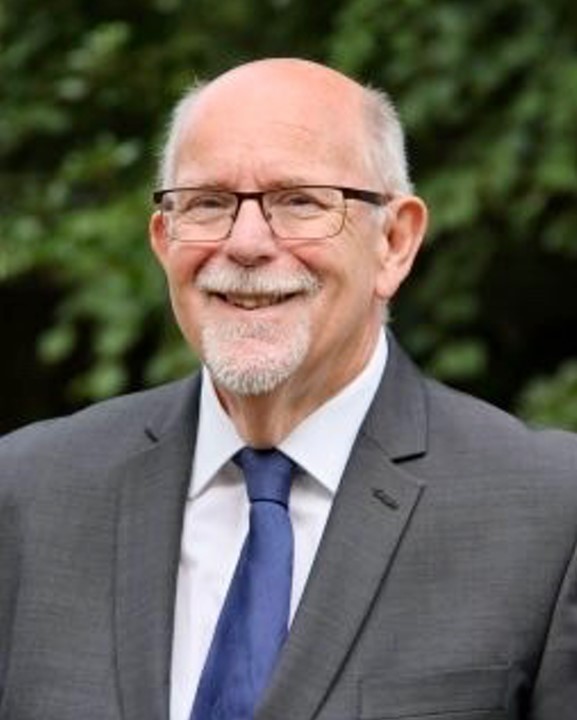
Abstract
Title: Crime Science for the 21st Century: An Expanded Vision of the concept of Crime Science embedded more in sciences and technologies and the AI Bridge in Intelligence-Led Policing
Overview The 21st-century investigative landscape demands a radical departure from siloed policing disciplines. Historically, criminological theory, forensic science, and operational intuition have existed in isolation, creating occasionally friction when translating raw data into tactical deployment. This webinar presents an expanded, unified vision of Crime Science—presenting a concept of the synthesis of hard science, advanced technological integration, and the gritty reality of police domain knowledge.
Core Themes Participants will explore the evolution of Intelligence-Led Policing (ILP) through the framework of the three core policing assets: Systems assets (RECORDS, raw data, ANPR, forensic hits etc), Knowledge assets (investigative, legal, Forensuc criminological principles, repeat victimisation, and geospatial behaviour), and Intelligence assets (the human practitioner and sources). The session will argue that modern operational failure rarely stems from a lack of data, but rather from the friction between these critical assets. By anchoring analysis in evidence-based profiling and the ACE-V (Analyse, Compare, Evaluate, Validate) protocol, modern intelligence techniques within this proposed expanded concept of Crime Science can assist in reducing this friction to improve investigations and outcomes.
Live Demonstration: The AI Partnership A central feature of this presentation is a live, real-time demonstration of a human-AI operational partnership. Utilising a complex synthetic distraction burglary dataset, the presenter will direct a specialised AI Agent to synthesise raw Systems data, temporal behavioural signatures, and help fast-track forensic support strategies. Attendees will witness the immediate generation of a fully costed, command-ready in the form of a draft proactive assessment, proving that automation does not replace the human command structure, but rather elevates it.
Learning Outcomes
- The Expanded Concept: Understand the modern definition of Crime Science as a holistic, integrated operational philosophy rather than an academic silo.
- The ACE-V Crucible: Learn how to apply the Analyse, Compare, Evaluate, validate protocol to audit and direct automated intelligence synthesis.
- Tactical Synthesis: Observe how a deep human-AI partnership bridges the gap between raw data and proactive, targeted tactical deployment.
This session is designed for intelligence analysts, operational commanders, forensic practitioners, and policing educators ready to transition from passive data management to 21st-century intelligence command.
Biography
Professor and Dean of Applied Sciences European Forensic Institute. Between 1969 and 2008, he had a full career as a practitioner with the Directorate of Forensic Services New Scotland Yard, in the roles of Fingerprint expert, Crime scene Investigator, Crime Scene manager and Crime Scene Coordinator. In project management he created modern sequential treatment laboratories designed to deal with the volume crime in London and pioneered the concept of Forensic Intelligence. He set up one of the world’s first Forensic Intelligence Units in 2001 and was the Head of Forensic Intelligence Metropolitan Police until 2008. He has the Kings College London University Diploma in Crime Scene Investigation and Fingerprint Expertise. He developed the wireless, three electrode, method of electrostatic dust mark lifting, the Pathfinder’ now used worldwide. In 2012 he published the textbook ‘Forensic Intelligence’ CRC Press. In 2018 he joined the European Forensic Institute as a lecturer and was invited to lecture on Forensic Intelligence at the Istituto Di Scienze Forense, Corporate University, Milan. In 2021 he was awarded a Professorship in Criminology, Forensic Criminology and Forensic Intelligence and awarded the role of President of the Istituto Di Scienze Forense University Milan. In February 2024 the university renewed his professorship. He has been a member of the Chartered Society of Forensic Sciences (CSFS) since 1983, and in October 2024 was elected as the Honorary Editor of the CSFS.

Abstract
Qualified forensic entomologists are increasingly called upon to analyze entomological evidence in legal investigations. Insects and other arthropods associated with human remains can provide valuable information about the postmortem interval, circumstances surrounding death, and the possible movement or treatment of a body after death. Patterns of insect growth, behavior, activity, and distribution on remains may also provide clues regarding sites of trauma.The entomological fauna associated with human remains can be evaluated to determine whether it is consistent with the environmental conditions and geographic location of the death scene. Differences in insect species and developmental stages may provide evidence that a body was moved between geographic areas. In addition, insect activity and distribution can provide clues concerning the wrapping or concealment of remains in materials such as rugs, carpets, or other coverings, including circumstances involving transportation or disposal. In some cases, insect succession and developmental patterns may also provide evidence that remains were subjected to freezing or refrigeration prior to disposal at another location.This lecture introduces the core principles of forensic entomology and the use of entomological evidence in death investigations. Case histories will demonstrate how insect evidence can help determine the postmortem interval and evaluate body movement, environmental exposure, concealment, and postmortem storage conditions. Attendees will also learn about laboratory methods for examining and identifying forensic insect evidence, as well as best practices for collecting, preserving, packaging, and shipping insects and other arthropods to a qualified forensic entomologist. These practices are essential for maintaining specimen integrity and evidentiary value.
Biography
Dr. Jason H. Byrd is a Board-Certified Forensic Entomologist and Diplomate of the American Board of Forensic Entomology, with more than two decades of experience applying entomological evidence to death investigations and criminal and civil cases. His work has focused on insect development, postmortem interval estimation, and the application of arthropod evidence in forensic investigations. He has consulted on cases throughout the United States and internationally and has provided specialized forensic entomology training to law enforcement, medical examiners, coroners, death investigators, attorneys, and other forensic professionals. Dr. Byrd is an Associate Professor and the Director of Research at Westcliff University. He has served as President of the American Board of Forensic Entomology and the North American Forensic Entomology Association. He is a Subject Editor for the Journal of Medical Entomology and an editor for Insects. He has authored numerous scientific publications and book chapters and continues to advance forensic entomology through research, education, case consultation, professional leadership, and standards development.
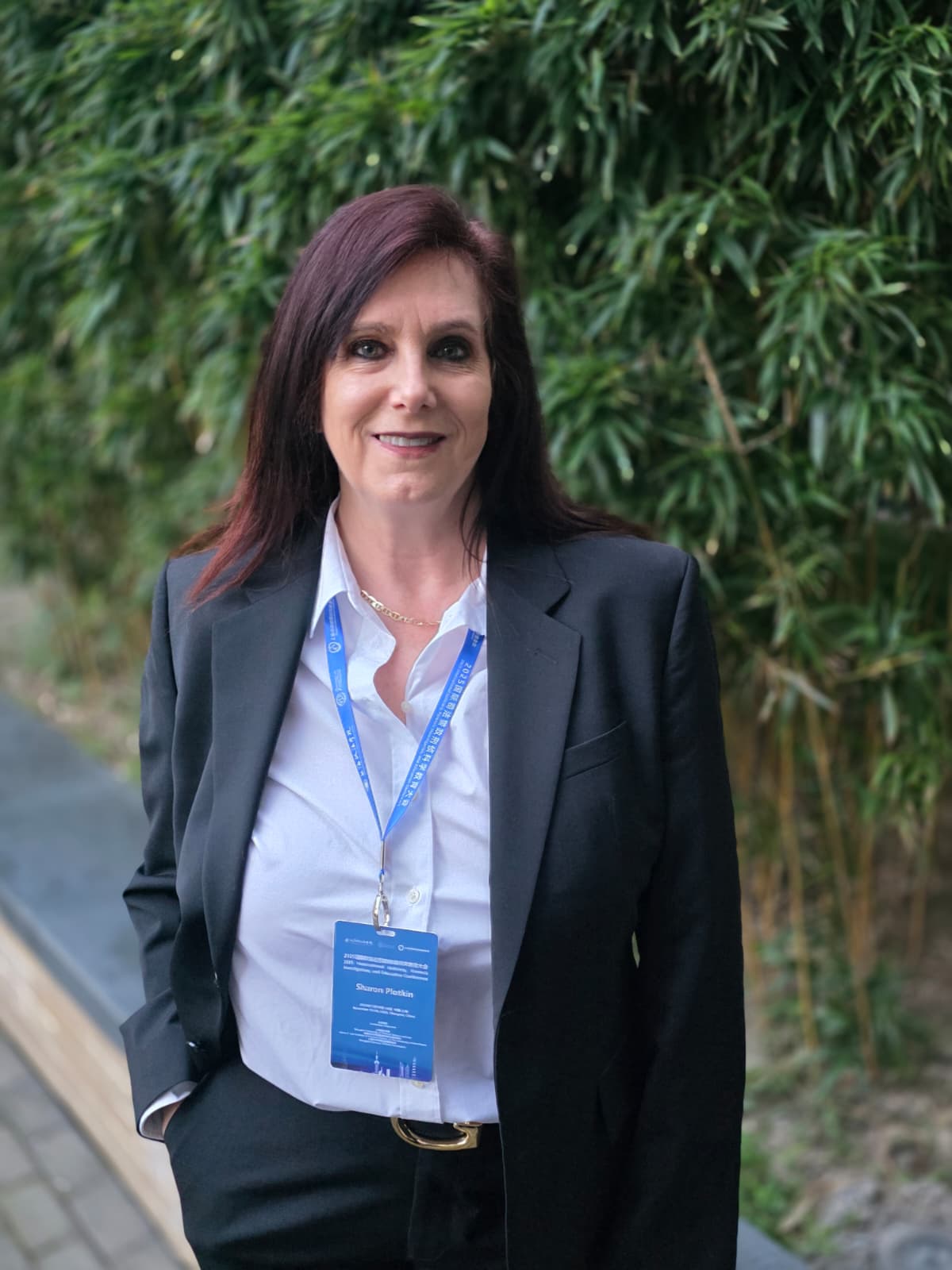
Abstract
Chemical Clues: Enhancing and Detecting Blood at Crime Scenes is a practical lecture designed for forensic personnel working at crime scenes.
Forensic personnel use several chemicals to locate, visualize, enhance, and detect blood evidence at crime scenes, particularly when stains are faint, diluted, partially cleaned, or difficult to see under normal lighting. Common approaches include luminol-based reagents, leuco crystal violet (LCV), Amido Black and more. These techniques are generally considered presumptive or enhancement methods rather than definitive identification tests. Forensic personnel should therefore document the scene and sampling context carefully, consider potential false positives and follow their agency's validated procedures and applicable laboratory protocols.This lecture will explore the role of chemical methods in locating, visualizing, and enhancing blood evidence, including challenging or faint stains. The lecture emphasizes the scientific principles behind these techniques, appropriate application at crime scenes, interpretation of results, and considerations for preserving evidence for subsequent forensic analysis
Biography
Sharon holds an Ed.D. in Education, a Master of Science in Criminal Justice. She has been a certified crime scene investigator since 2006 in North Miami for over 20 years, where she investigated thousands of cases ranging from burglary to homicide in a crime scene capacity. She continues to assist police agencies with crime scene work. Sharon is currently employed as an Associate Professor Senior at Miami Dade College in Florida and is an adjunct faculty member at universities in Florida. Sharon is a fellow with the American Academy of Forensic Science and a member of the International Association for Identification and the International Association of Bloodstain Pattern Analysts. She is also a member of FEMORS (Florida Emergency Mortuary Operations Response System- state) and DMORT (Disaster Mortuary Operational Response Team- federal). Sharon has taught law enforcement personnel locally, statewide, and internationally.

Abstract
The increasing volume, velocity, and complexity of information available to criminal investigators and intelligence analysts presents both an opportunity and a significant analytical challenge. Open-source information, digital records, communications, imagery, structured databases, and other forms of investigative data can provide valuable intelligence, yet transforming heterogeneous information into timely and actionable assessments remains highly resource-intensive. Artificial intelligence (AI) is emerging as a tool capable of augmenting this process across multiple stages of the intelligence cycle.Within crime and intelligence analysis, AI-enabled capabilities can support information triage, data processing, entity and relationship extraction, pattern identification, timeline construction, hypothesis generation, and the synthesis of large volumes of heterogeneous information. These applications have the potential to reduce routine analytical workloads, accelerate the identification of relevant information and relationships, and allow analysts to devote greater attention to contextual interpretation, hypothesis testing, and professional judgement.At the same time, the integration of AI into investigative practice raises significant challenges. Hallucinations, algorithmic bias, automation bias, limited explainability, source reliability, data protection, and the potential misuse or overinterpretation of machine-generated outputs require careful consideration. In particular, a clear distinction must be maintained between AI-assisted analytical outputs, investigative leads, validated intelligence, and evidence suitable for forensic or judicial purposes.Positioning AI within the established intelligence cycle supports a human-centred approach in which technological capability complements, rather than replaces, analytical expertise. The effective use of AI ultimately depends not only on technical performance, but also on critical evaluation, contextual understanding, source assessment, and professional accountability. The future of crime and intelligence analysis may therefore lie not in replacing the analyst, but in augmenting the analyst’s capacity to process information, identify connections, and generate meaningful intelligence.
Biography
Forensic science and crime intelligence professional with an interdisciplinary background spanning forensic investigation, forensic medicine, cybersecurity, digital forensics, and crime analysis.Holds a BSc (Hons) in Forensic Science and Criminal Investigation and an MSc in Forensic Medicine, and is currently pursuing an MSc in Cyber Security, Digital Forensics and Crime Analysis. Professional development also includes specialized training in Pattern Analysis through the International Association of Crime Analysts (IACA), as well as participation in the National Association of Medical Examiners Annual Meeting, with a scientific poster presentation on pediatric homicide. Professional experience includes medicolegal death investigation with the Virginia Office of the Chief Medical Examiner, involving death-scene investigations and collaboration with law enforcement and other investigative agencies. Additional forensic experience includes practical exposure to forensic autopsy, forensic toxicology, and histology. Currently working in crime and intelligence analysis, supporting complex investigative workflows and contributing to the development and evaluation of analytical tools for investigative applications.

Abstract
In this presentation, I will discuss the signs of honesty in handwriting analysis from a graphological perspective.
Signs of Honesty in Handwriting
From a graphological perspective, honesty and authenticity are not defined by a single stroke, but by graphic harmony, natural spontaneity, and the absence of artificial control.
A handwriting that reveals integrity demonstrates a healthy balance between form, movement, and space:
● Clarity and Simplification: Letterforms are legible, unpretentious, and free of unnecessary flourishes, masks, or excessive ornamentation. The writer expresses ideas directly without needing to hide behind complicated structures.
● Transparent Ovals ( a, o, d, g ): The middle zone—the social and emotional core—features clean ovals that are naturally closed or slightly open at the top. They lack deceptive inner loops, double coiling, or secret knotting ( bucles internos ).
● Firm, Flexible Baseline: Lines maintain a stable, horizontal, or gently ascending trajectory without abrupt dropping words, snake-like waviness, or erratic fragmentation.
● Fluid Spontaneity and Ductile Pressure: The writing flows with natural speed and even, consistent pressure. It shows neither the rigid, mechanical tension of someone calculating their image nor the hesitation, tremors, and retouching ( repasados ) typical of concealment.
● Receptive Connections (Garlands): Connective strokes frequently use open, cup-shaped garlands ( guirnaldas ), reflecting empathy, receptivity, and an accommodating, open approach to interpersonal relations.
Objectives
Differentiate Spontaneity from Graphic Inhibition: Identify how unconstrained neuromuscular flow reflects genuine intent, contrasting it with the hyper-controlled rigidity often used to mask evasion. Examine Middle-Zone Micro-Structures: Analyze the integrity of emotional and communicative structures—specifically clean ovals and smooth connective strokes—to detect candor versus calculated omission.
Evaluate Global Graphic Rhythm: Synthesize stroke pressure, line stability, and spatial distribution using Gestalt graphological methodology to confirm consistency across the entire graphic field.
Distinguish Authenticity Indicators from Evasive Red Flags: Correlate genuine markers against classic signs of ambiguity, such as excessive threading, retouching, sudden baseline collapse, or contradictory slant shifts
Learning Objectives
● Core Objectives:
○ Understand the neuro-motor and psychological foundations of expressive movement.
○ Identify specific graphological traits associated with openness, emotional stability, and honesty.
○ Contrast authenticity indicators with red flags (evasion, distortion, over-control).
○ Synthesize findings using Gestalt principles rather than isolated sign analysis.
● Key Takeaway: Honesty in handwriting is an ecosystem of dynamic balance, not a single isolated feature.
Theoretical Foundation: The Gestalt & Motor Expressive Framework
● Concepts:
○ Spontaneity vs. Graphic Inhibition: How natural motor flow reflects uninhibited thought.
○ The Writing Triad: Form (structure), Movement (speed/rhythm), and Space (layout/organization). ○ Integrity of the Baseline: Symbolic grounding and reality adherence.
● Talking Points: The subconscious nature of neuromuscular strokes; why forced deception disrupts natural rhythm.
Biography
Zaida Melissa Guajardo BA IN Criminal Justice Mayor Forensic Investigation National University College ,Criminal Profiler eSCUELA Internacional de Criminologia y Criminalistica , Forensic Handwriting Analyst & Graphologist) and forensic Grafoscoppy Colegio Mexicano de DE Grafologia y Criminalistica ,Grafoterapist Centro Grafologico ZG
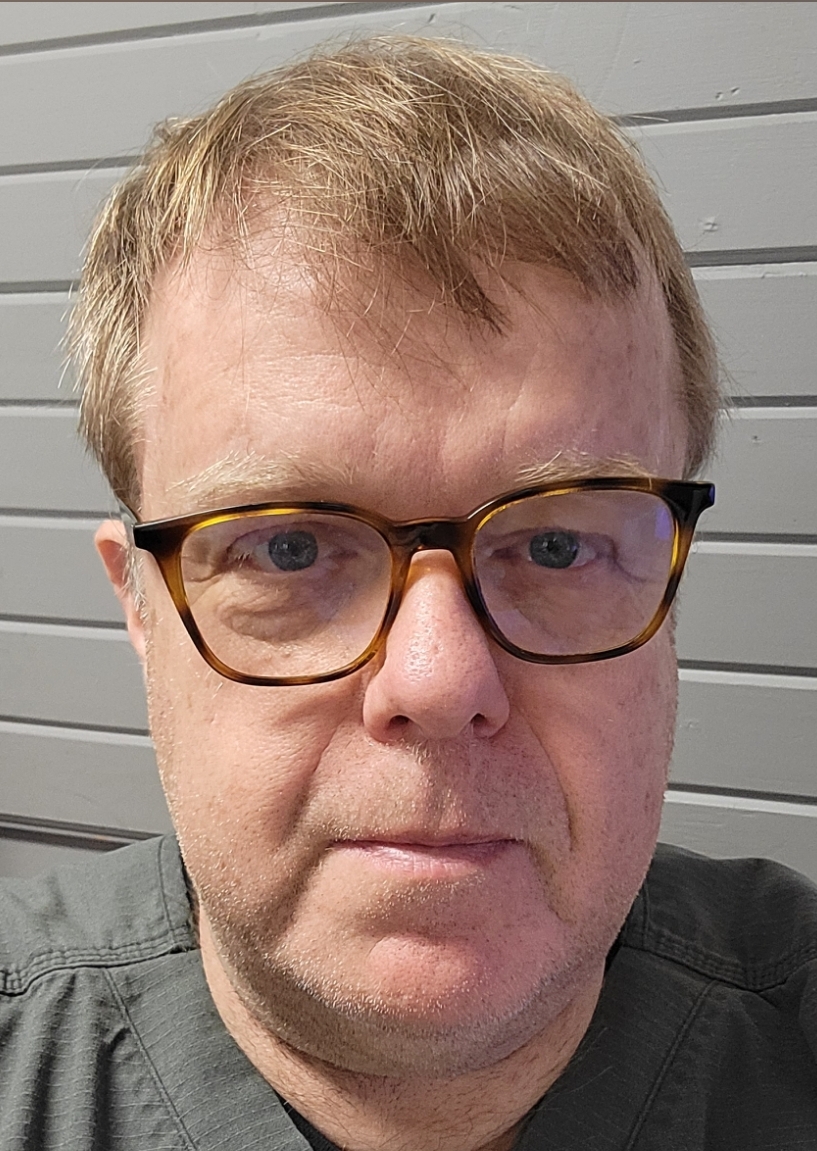
Abstract
Effective use of the patient intake medical history, to learn if history of PTHD, past physically assaulted, abused as a child, TBI from domestic violence, human trafficked history. It will also be discussed how to render treatment for these patients will be given, considering their past life events.
Biography
Dr. James graduated from a one-year course, McGill University, Dental Forensics Program; part on-campus training with the Surete du Quebec Forensics Team. Dr James is focusing on Child Abuse, Elderly Abuse, Human Trafficking, and Intimate Partner Violence. He also gives educational PowerPoint presentations on these topics. Also, trained at University of Tennessee, Body Farm, and Clandestine Grave Recovery. Dr Frizzell’s motto is: “The Power of Observation”, in the forensic’s world.
Abstract
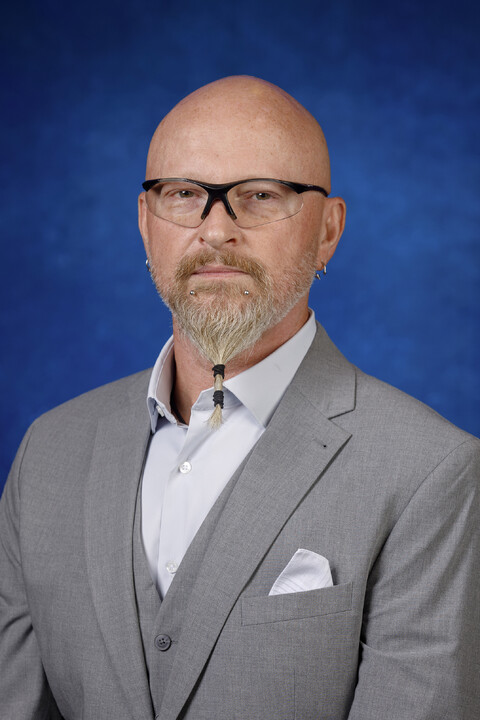
Every criminal investigation begins with evidence, yet every investigation is conducted by human beings whose perceptions are influenced by cognitive shortcuts, emotion, prior experience, and social influence. In today's digital environment, criminal narratives spread globally within minutes, often shaping public opinion long before investigators complete evidence collection. This keynote explores how cognitive psychology, criminology, forensic science, and investigative psychology intersect to influence investigators, witnesses, jurors, media organizations, and the public. Drawing upon contemporary research in cognitive bias, false memory, social identity, algorithmic amplification, and investigative decision-making, the presentation demonstrates why understanding human psychology has become as essential as understanding physical evidence in modern forensic science.
Biography
Dr. Michael Gurley: Confirmed as Lecturer of Criminal Justice at University of Tennessee at Martin (UTM) since 2023. Previously at University of Memphis (2016-2023). Holds Ph.D. from Northcentral University, M.S. from Saint Leo University, B.A. from Ashford University. Has 32 years of law enforcement experience and a graduate of the University of Tennessee National Forensics Academy
Abstract
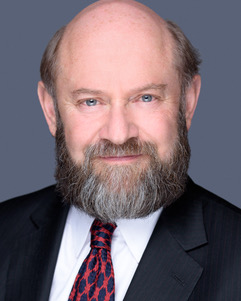
This paper reviews how best forensic scientists can comport themselves as witnesses under cross-examination. It analyses the strategies and techniques deployed by cross-examiners and how forensic scientists can most effectively communicate their opinions without being discredited or distracted by the style and content of the questions posed. It addresses the approaches most likely to maximise the credibility, reliability and authority of forensic scientists when they are cross-examined.It deals with how forensic scientists should respond to attacks on their expertise, experience and independence.It identifies that for the most part cross-examiners attempt to scrutinise the basal material which constitutes the underpinning of forensic scientists’ opinions and then the methodology employed and, finally, the inferences drawn from tests and analyses. Much of such questioning seeks to elicit concessions about the representativeness of the basal material, the role of the scientist’s assumptions, the limitations to the scientific methodology employed, and other approaches and inferences which remain lie open. In this regard, the cross-examination seeks to lay a platform for the plausibility of opposing scientists’ opinions.The paper identifies styles of forensic scientists in giving evidence which may be alienating or which may result in findings that they are biased or functioning as partisan advocates for the party calling them. It reviews how forensic scientists can optimise their impressiveness as witnesses by practical suggestions about how they can make suitable concessions about the parameters of their expertise, and respond to poorly framed and provocative questions, multi-part questions and questioning based on the learned-treatise attack.
Biography
Ian Freckelton is a King’s Counsel (senior counsel) at the Australian Bar with a broad national practice in criminal law, personal injury law and disciplinary law. He is also a Judge of the Supreme Court of Nauru; a Professor of Law and Professorial Fellow in Psychiatry at the University of Melbourne; and an Honorary Professor of Forensic Medicine at Monash University. He is an elected Fellow of the Australian Academies of Law, Social Sciences, and Health and Medical Sciences and is the Editor of the Journal of Law and Medicine. He is the author of over 50 books and more than 800 articles and chapters of books. In 2021 he was appointed an Officer of the Order of Australia (AO) for “distinguished service to the law, and to the legal profession, across fields including health, medicine and technology”.

Abstract
The detection of semen at a crime scene can provide crucial investigative and evidentiary information,particularly in cases of sexual assault, where the identification and localization of seminal traces may contribute to the reconstruction of events and guide subsequent DNA analysis. Rapid presumptive testing at the crime scene can therefore facilitate the targeted collection of biological evidence,especially when stains are small, partially degraded, or located on complex surfaces.
STK Spray (AXO Science) is a presumptive forensic reagent designed for the rapid detection of semen on hard surfaces through the detection of acid phosphatase, an enzyme highly concentrated in seminal fluid and associated with a visible color reaction. However, crime scene samples may contain mixtures of biological fluids or be contaminated by household substances, potentially affecting test performance and leading to false-positive or false-negative reactions. This study aimed to evaluate the sensitivity and specificity of STK Spray under controlled conditions and in the presence of common interfering substances.
Biography
Senior Lecturer in Forensic Biology and Genetics and in Forensic Medicine, with consolidated academic experience in undergraduate and postgraduate university programs in Italy and internationally, including Spain, Colombia, Bolivia, Malta, and Costa Rica. Academic activities are primarily focused on university teaching, international scientific collaboration, and participation in multidisciplinary research and applied forensic science projects.Extensive international collaborations have been established across Europe and Latin America,including Italy, Spain, and Chile, involving universities, forensic laboratories, research institutions,and industry partners. These activities have been developed within both academic and applied frameworks and include collaborative research initiatives and projects aimed at technology transfer and methodological innovation in forensic science. This work has contributed to strengthening interactions between academic research, forensic practice, and industrial stakeholders, with particular emphasis on the development and implementation of innovative analytical approaches.Previous professional roles include Director of the Forensic Genetics Department at SIMEF (Italy) and forensic DNA expert consultant for Italian civil and criminal courts, with contributions to forensic casework in collaboration with national and international law enforcement agencies, including Italian Police Forces and UK Police. Additionally, activities include service as expert evaluator for the European Research Executive Agency (REA) of the European Commission.Author of more than 200 scientific contributions, including 84 publications indexed in Scopus, with regular involvement in peer-review activities for international scientific journals and publishers,including Springer, Elsevier, and Taylor & Francis. Scientific evaluation activities also include the assessment of book proposals, research projects, and contributions to editorial activities as Editor-in-Chief, Editorial Board Member, and reviewer for international journals in forensic science.Active participation in the organization and scientific development of international conferences,courses, and webinars in forensic science, including roles as scientific committee member, session chairperson, and invited speaker. Participation has also included doctoral examination committees and international scientific award panels.Recipient of several international awards and recognitions in the field of forensic biology and genetic.
“ Will be updated soon...”