Abstract
Abstract:
Statement of the Problem: Climate change impacts everyone while the need for more electricity is expanding exponentially with electric vehicles, artificial intelligence, and cryptocurrency. Low-cost, reliable electricity without sun, wind, waves, tides, currents, or batteries is needed. This report describes how Poseidon Hydroelectric System produces electricity on any water source without a dam to reduce climate change by eliminating carbon emissions, reducing transmission line costs, and expand the opportunity to provide electricity to people of the world.
Methodology & Theoretical Orientation: Three proven technologies used for hundreds of years have been blended in a new way using a siphon to lift water from any source, a hydraulic ram pump to capture the kinetic energy of flowing water and deliver pressurized water to an electric generator for less than .002 of a penny/kWh. Controlled operation provides efficiencies for minimizing water waste, eliminating fish kill, noise control, and dam hazards while allowing controlled 24/7 electricity production.
Conclusion & Significance: Renewable Ocean Energy, Inc.’s working prototype will be described with an operational video of the generator. Power may be generated on or offshore with an aesthetically pleasing modular generator without harm to fish, birds, marine life, or the environment. Vetted by the Texas Environmental Quality Board and the National Atmospheric Administration Agency.
Biography
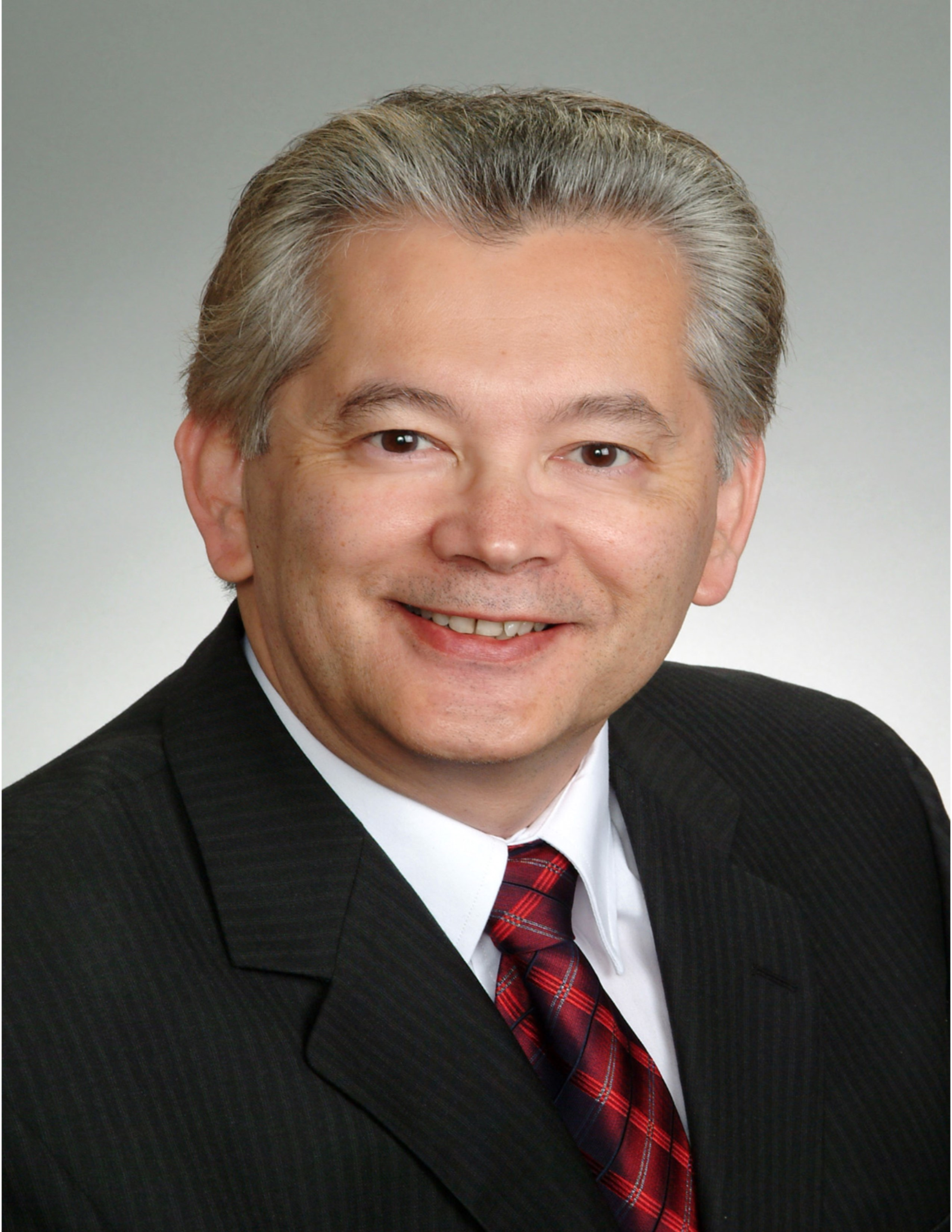
Dr. Richard Navarro, CEO of Renewable Ocean Energy, Inc, and inventor, has 14 inventions, 6 patents issued, 1 pending, 160 presentations, and authored Resurrection of the Blue Planet. He holds a Ph.D. from Vanderbilt University, School of Medicine, a Master of Arts and Bachelor of Science, cum laude from Western Michigan University, is a former professor, and serial entrepreneur with over 50 years of experience despite being severely hearing impaired. He has a passion for protecting the Earth and finding innovative solutions to common problems and leads a team of engineers and businesspeople.

Abstract
The Canadian forest industry’s historical reliance on a single-product commodity model (pulp and lumber) has left it dangerously exposed to global market volatility and trade tariffs. This paper advocates for a systemic "retooling" of the sector, transitioning from centralized commodity production to a decentralized, high-value biorefinery model. We propose a diversified output strategy that integrates advanced mass timber for housing, biomass for energy, and specialized dissolving pulps for textiles, biochemicals, and rigid insulation. By shifting production closer to the source, this model retains economic value within local and Indigenous communities rather than exporting profits to external stakeholders. Central to this transition is the application of a proprietary gPAI (generalized physical AI) platform designed to optimize multi-product streams and supply chain logistics. The authors demonstrate how this technology-driven, localized approach fosters economic sovereignty and industrial resilience in a fluctuating global landscape.
Biography
Fred Schwartz is an Adjunct Professor in the Faculty of Environmental and Urban Change at York University in Toronto, and is Executive Director of York’s International Renewable Energy Academy. He is also Executive Director of the Solar Valley Consortium at the Center for Environmental Research and Technology at the University of California, Riverside. He has worked in the field of renewableenergy since the late 1970’s, and has received awards from the President of the United States, US EPA, and the United Nations.

Abstract
The global transition toward renewable energy has accelerated the demand for efficient and intelligent solar energy systems, particularly in regions with high solar potential such as the Middle East and North Africa (MENA). Despite the growing adoption of photovoltaic (PV) systems, environmental challenges including dust accumulation significantly reduce solar panel efficiency and energy generation, especially in hot desert climates. This lecture presents an investigation of the impact of integrating an Internet of Things (IoT)-based automatic solar panel cleaning system on building energy performance and renewable energy optimization.
The lecture presents an innovative IoT-controlled automated cleaning mechanism designed to monitor solar panel performance in real time and autonomously initiate cleaning operations whenever efficiency drops below predefined thresholds. The system integrates sensors, microcontrollers, remote monitoring applications, and automated motorized cleaning technologies to ensure continuous photovoltaic efficiency with minimal human intervention.
A case study was conducted on an office building in Cairo, Egypt, utilizing photovoltaic panels integrated with the proposed IoT-based cleaning system. Energy simulations and on-site experimental investigations demonstrated that dust accumulation can reduce photovoltaic power generation by up to 89.33%. However, after implementing the automated cleaning system, solar panel performance recovered to approximately 99.4% of its original efficiency.
The lecture highlights the critical role of smart renewable energy technologies in improving building sustainability, reducing operational inefficiencies, minimizing maintenance dependency, and maximizing clean energy generation. The findings demonstrate that integrating IoT technologies with renewable energy systems represents a promising approach toward achieving sustainable smart cities, resilient energy infrastructure, and low-carbon built environments.
Biography
Dr. Maha Fawzy Anber is an Associate Professor of Architecture and sustainability expert. She is currently a Head of Sustainability Department and Account Manager at Pinnacle Misr, alongside her academic roles at the German International University (GIU) and Shorouk Academy. Her work focuses on sustainable cities, building performance, and AI applications in architecture, with several publications and international speaking engagements in the field.
Abstract
The main problem of the UK National Grid is that it has poor energy storage, so cannot easily fill the gaps in renewable electricity made from fluctuating wind and solar. This paper shows that green hydrogen can be produced on-site and stored in tubes to provide 60MWh of combined heat and power to drive buildings, vehicles and businesses at a scale of 1 to 10MW. This is too large for individual homes and too small for cities, but fits energy requirements of villages containing half the UK population. Two sites have been working on this new concept which should be running by 2030, independent of the Grid, but connected as back-up when Wind and Solar are not available. Payback is aimed at 3 years, with substantial profits over the subsequent 20 years.
Biography
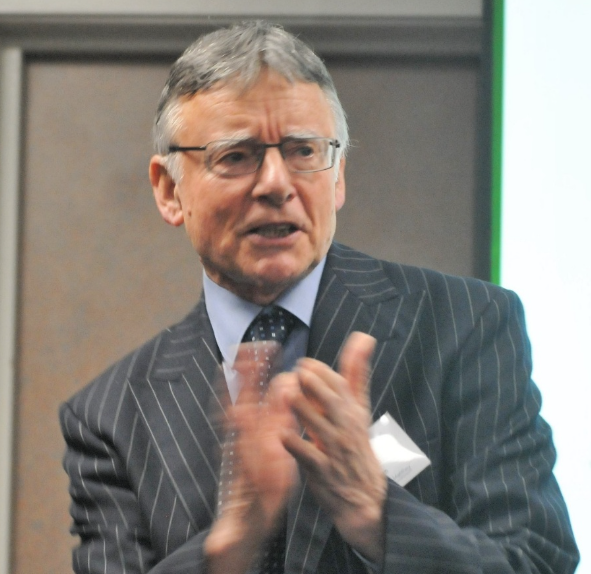
Professor Kevin Kendall has worked on renewable energy at University of Birmingham UK since 2000, studying fuel cells and green hydrogen, publishing 6 books and hundreds of papers [1]. His latest book [2] relates to green hydrogen made from wind and solar electricity through electrolysis of water at 5MW scale, competing soon with fossil oil and gas. Since 2011 he led the company Adelan applying microtubular Solid Oxide Fuel Cells to robot aircraft that could fly for 39 hours. In 2022, he created the charity HydrogenUnited.org which aims to liberate hydrogen from oil refineries, making it available in zero emission vehicles, homes and business sites. His recent work has shown that Wind plus Solar plus Hydrogen energy storage can beat the Grid on large sites, giving fast pay-back and substantial profits. Dr Kendall was elected Fellow of the Royal Society in 1993. [1] Wikipedia Kevin Kendall FRS, accessed 8 Sept 2025 [2] Kendall, K., 2026, Hydrogen Energy is Here, Amazon KDP, Seattle USA.
Abstract
Our physical and cyber environments are becoming increasingly intertwined with smarter sensing, communication, and data analytics. Our daily livings are indeed surrounded by a wide variety of sensors, IoT connectivity, and edge computing devices, constituting smart grid, smart city, smart transportation, and so on. The availability of sensing devices with measurement, communication, and processing capabilities is providing fine-grained data. Together with multimodal sensory data collection and sensor fusion can result in actionable insights and decisions. This synergy can lead to improved ways and quality of life in what we call smart living.
Magnetism is one of the six energy forms of measurands in sensing. Magnetic sensing plays a critical role in smart living due to various sources of magnetic fields such as magnetic fields from current-carrying wires and permanent magnets which are geometrically determined by Biot-Savart Law and Ampere's Law respectively. These magnetic fields can range from DC to AC, from low frequency to high frequency.
Modern civilization heavily relies on electricity which are generated, transmitted, and utilized through various kinds of transmission medium and electrical machines that are composed of current-carrying conductors, electromagnets, and permanent magnets. As such, magnetic field sensing is an important source of data and thus information for condition monitoring of power generation, transmission, and distribution.
In this talk, we will discuss the various opportunities and alternatives magnetic field sensing can offer in condition monitoring and anomaly detection in smart grid and smart city. Since it is contactless sensing, its installation is easy and it can be easily retrofitted to the existing plant and equipment. This will minimize cost, avoid wear and tear, and meet stringent reliability requirement. Contactless magnetic sensing can complement the traditional contact measurement techniques and help to overcome the major obstacle towards pervasive sensing due to its scalability.
Biography
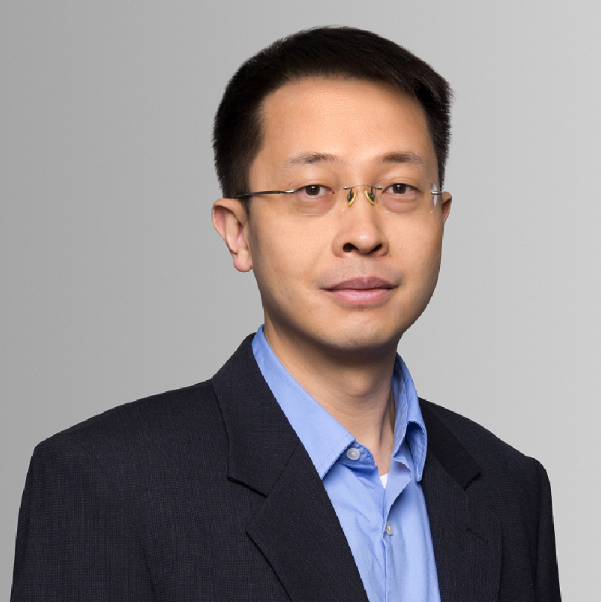
Philip W. T. Pong received a B.Eng. from the University of Hong Kong (HKU) with 1st class honours. Then he obtained a PhD in engineering at the University of Cambridge. He was a postdoctoral researcher at the Magnetic Materials Group at the National Institute of Standards and Technology (NIST). Currently he is an Associate Professor in the Department of Electrical and Computer Engineering at New Jersey Institute of Technology (NJIT). His research interest focuses on the fault detection, predictive maintenance, and anomaly detection of power grid. He is the Founding Director of the Power Systems Engineering Center, Green Technology Research and Training Laboratory, and Sensor Research Laboratory, leading the research and education activities of power engineering at NJIT. Philip Pong is a Fellow of the Institution of Engineering and Technology (FIET), a Fellow of the Institute of Physics (FInstP), a Fellow of the Energy Institute (FEI), a Fellow of the Institute of Materials, Minerals and Mining (FIMMM), a Fellow of the Hong Kong Institution of Engineers (FHKIE), a chartered physicist (CPhys), a chartered engineer (CEng), a chartered energy engineer, a registered professional engineer (R.P.E. in Electrical, Electronics, Energy), and a Senior Member of IEEE (SMIEEE). He serves on the editorial boards for several IEEE and SCI journals. Recently he received the IEEE Power and Energy Society North Jersey Chapter – Outstanding Power Engineer Award, NJIT Nexus of Excellence Award – Excellence in Graduate Instruction, and NJIT Newark College of Engineering – Excellence in Teaching Award.
Abstract
As global energy systems transition toward renewable sources, education plays a decisive role in shaping community‑level engagement, resilience, and sustainable decision‑making. This talk explores how ecological sustainability can be embedded into educational practices that actively involve communities in the co‑creation of solutions for renewable energy adoption. Drawing on interdisciplinary perspectives from environmental education, community development, and sustainability science, the presentation highlights innovative pedagogical pathways that empower citizens to understand, evaluate, and implement sustainable energy practices in their local contexts. Through case‑based reflections and participatory methodologies, the session illustrates how educational interventions can strengthen ecological literacy, foster collaborative problem‑solving, and support equitable transitions toward renewable energy futures. By bridging knowledge, practice, and community action, this contribution aims to demonstrate how education can serve as a catalyst for ecological sustainability in diverse social environments.
Keywords: ecological sustainability; renewable energy education; community engagement; sustainable transitions; ecological literacy; participatory methodologies.
Biography
Helena Belchior Rocha, PhD in Social Work, is an Assistant professor at ISCTE- University Institute of Lisbon in the Department of Political Science and Public Policies and subdirector of the Soft Skills Lab and Director of the Transversal Competences Nucleos. Integrated researcher at CIES, Centre for Research and Studies in Sociology, linked to national and international research projects, namely 3 from Marie Curie Actions. She was pionner in Ecology and sustainability in Social Work creating the EcoSocial Model for intervention. Coordinator of the 1st year of Social Work Graduation,. Scientific Coordinator of the Cost Action Line - Digital Human Rights, and member of K-Peritia (culture ex pertize) Cost Action Line. Author of papers and communications at national and international con gresses, in the areas of social work theory and methodology, environment, sustainability, community Intervention, ethics, human rights, social policies and Well-being, education and soft skills. Member of the Editorial Board of national/international journals. Member of Inclusive Policy Lab UNESCO. Award of the Development Networks Award - Project "Promotion of Education for Global Citizen ship - UN17" (ISCTE-IUL / COI Foundation).

Abstract
The name "Mpemba effect" was given to the finding that "the state that is initially more distant from the equilibrium state may come to the latter earlier" [1,2]. It may seem that this assertion violates fundamental laws of physics, but it has been supported by many experiments on various systems, from water to qubits, and discussed in leading scientific journals [3,4]. In fact, the above statement is not as paradoxical as it seems at first glance, since it is well known that a trivial harmonic oscillator (when the potential energy ΔU(x) is proportional to x2, the squared deviation from the equilibrium) comes to its equilibrium point in a time independent of its initial displacement

from this point, while the time of free fall (when ΔU(x) is proportional to the height x) increases with the initial height
. Thus, one can figure out that a mechanical [5] or molecular system where

grows as

or sharper should demonstrate the Mpemba effect: starting from a position that is farther from the equilibrium point, it will attain it earlier.
Biography
Graduated with honors from the Moscow Phys.-Tech. (1970). Ph.D. (1976); D.Sc. (1991). Since 1970, member of the Laboratory of Protein Physics (then headed by Prof. O.B. Ptitsyn) at the Institute of Protein Research, Russian Academy of Sciences. Heads this Laboratory since 1999. Professor at the Moscow Lomonosov University since 1998. Soros Professor (2001). Author of ~300 papers, of a book "Protein Physics", published in Russian (6 editions), English (2 editions), Chinese (2 editions), and of a book "Physics of Protein Molecules" (in Russian). Citation index: ~12000, Hirsch index: 51. Expertise: molecular & protein physics; theory of protein structures, folding and design; structural transitions in proteins and amyloids; antifreeze proteins and ice nucleators, phase transitions; force fields; molecular biology; bioinformatics. Awards from FIRCA, INTAS, CASP, HHMI (3 times), NWO, RSF, etc. State Prize of Russia in Science & Technology (1999). Elected to the Russian Academy of Sciences (2008).

Abstract
Maintaining thermal comfort in residential and industrial buildings remains a significant energy challenge. Traditional Heating, Ventilation, and Air Conditioning (HVAC) systems are energy-intensive, contributing substantially to both operational costs and greenhouse gas (GHG) emissions. As the building sector seeks to improve energy performance, attention has increasingly turned to Thermal Energy Storage (TES) and passive energy management strategies. This contribution goes significantly beyond the current state of the art by introducing a novel, compact, and modular TES solution that leverages bio-based Phase Change Materials (PCMs) heat exchangers reinforced with aluminium foam skeletons, integrated into an underground water/ice reservoir. The use of bio-based PCMs (e.g., coconut or tamanu oils, animal fats, vegetable oils, etc.) offers a low-carbon alternative to petroleum-derived materials. Reinforcement with aluminium foams significantly improves thermal conductivity and prevents leakage, solving two core limitations of conventional PCM systems. A heat exchanger embedded at the base enables the repeatable storage and release of latent heat for ventilation air conditioning. The proposed system significantly reduces capital and operational costs, making TES more accessible for urban, residential, and retrofit applications. The use of renewable, biodegradable PCMs, combined with low-energy seasonal storage, supports circular economy principles and offers a path to net-zero building operation. This contribution addresses a new generation of high-performance, bio-based TES systems that offer practical, scalable, and climate-resilient alternatives to current technologies.
Biography
Jaroslav Jerz has completed his PhD from Vienna University of Technology (Austria) with dissertation dedicated to the development of aluminium foam by powder metallurgy. He is materials scientist at the Institute of Materials & Machine Mechanics of Slovak Academy of Sciences (Slovakia). His scientific work is devoted to advanced metallic materials, development of technologies for their industrial production and transfer of knowledge gained by material research into industrial practice.
Abstract
The presentation will start by introducing the area of environmental science . Technologies for Sustainable Energy, Clean Energy and Renewable Energy will be discussed next . Issues related with AI and Satellites, Biodiversity , Sustainable Materials and the Storage Revolution will be presented .Other areas to be tackled include Green Hydrogen , Solar and Wind Hybrids, Physical AI, Smart Grids and Virtual Power Plants. Finally, Energy Prosumption and Green Stell will be analysed.
Biography
Professor Luiz Moutinho (BA, MA, PhD, MAE, FCIM) is the Visiting Professor of Marketing at Faculty of Arts, Business and Applied Social Science, Univ. of Suffolk, Ipswich, England, UK. In 2020 he was elected as the member of The Academia Europaea. In 2017 he received a degree of Prof. Honoris Causa from the Univ. of Tourism and Management Skopje, North Macedonia. In 2025 was rated among the top 85 in 100 best scientists in Business and Management by Research.com as well as Top 0.05% of Scholars in the Areas of Marketing and Management by ScholarGPS. During 2015 - 2017 he was a professor of BioMarketing and Futures Research at the DCU Business School, Dublin City University, Ireland. This was the first Chair in the world on both domains - BioMarketing and Futures Research. Previously, and for 20 years, he had been appointed as the Foundation Chair of Marketing at the Adam Smith Business School, University of Glasgow, Scotland. He completed his PhD at the University of Sheffield in 1982. He has been a Full Professor for 36 years and held posts at Cardiff Business School, University of Wales College of Cardiff, Cleveland State University, Ohio, USA, Northern Arizona University, USA and California State University, USA. He has held Visiting Professorship positions at numerous universities in China, Lithuania, Austria, New Zealand, Denmark, Slovenia, Portugal, Hungary, Taiwan, Brazil, Colombia, Fiji and Cyprus. Between 1987 and 1989 he was the director of the Doctoral Programmes at the Confederation of Scottish Business Schools and at the Cardiff Business School between 1993 and 1996. He was director of the Doctoral Programme in Management at the University of Glasgow between 1996 and 2004. Professor Moutinho is the Founding Editor-in-Chief of the Journal of Modelling in Management (JM2) and Co- editor-in-Chief of the Innovative Marketing Journal. He has another 4 associate editorships as well as being in the editorial boards of another 47 international academic journals. His areas of research interest encompass marketing and management futurecast, artificial intelligence, biometrics and neuroscience in marketing, futures research algorithmic self, EmoWear - a wearable tech device that detects human emotions, evolutionary algorithms, human-computer interaction, the use of artificial neural networks in marketing, modelling processes of consumer behaviour and tourism futurecast. He has developed a number of conceptual models over the years in areas such as tourism destination decision processes, automated banking, supermarket patronage, among other areas. The testing of these research models has been based on the application of many different statistical, computer and mathematical modelling techniques ranging from multidimensional scaling, multinomial logit generalised linear models (GLMs) and linear structural relations to neural networks, ordered probit, simulated annealing, tabu search, genetic algorithms, memetic algorithms and fuzzy logic. Prof. Moutinho has given keynote speeches, lectures, seminars, talks, etc. in 64 countries worldwide. Prof. Moutinho has 41 books published, over 163 articles published in refereed academic journals.
Abstract
Current commercial projects of tidal current energy converters (TCECs) are still in the demonstration phase. While many drivetrain designs and configurations of TCECs inherit from those of wind turbines, different operational constraints, e.g., high-torque and low-speed conditions, make TCECs potentially suffer from high failure rates in harsh deep-sea environments. High operation performance of a TCEC requires a gear transmission with a continuously variable speed ratio for high-torque and low-speed conditions. A nonlinear closed-loop control combined with an integral time-delay feedback control is developed to adjust the speed ratio of an infinitely variable transmission (IVT) system for TCECs. A speed ratio control for the IVT system involves a forward speed controller and a crank length controller for different tidal current speed ranges. A time-delay control is designed to reduce speed fluctuations of the output speed of the IVT with an accurate speed ratio. Experimental investigation was carried out to test validity of the proposed control strategy for the IVT system. An instrumented rotation speed measurement system is designed so that quantities needed for the time-delay control variable can be measured. Experimental results show that the speed ratio of the IVT with the proposed control strategy can achieve an excellent tracking response for the desired constant output speed and reduce speed fluctuations of the output speed of the IVT by the time-delay feedback control. The methodology is validated on a real horizontal-axis wind turbine system in water tank tests.
Biography
Weidong Zhu is a Professor in the Department of Mechanical Engineering at the University of Maryland, Baltimore County, and the founder and director of its Dynamic Systems and Vibrations Laboratory and Laser Vibrometry and Optical Measurement Laboratory. He received his double major BS degree in Mechanical Engineering and Computational Science from Shanghai Jiao Tong University in 1986, and his MS and PhD degrees in Mechanical Engineering from Arizona State University and the University of California at Berkeley in 1988 and 1994, respectively. He is a recipient of the 2004 National Science Foundation CAREER Award. He has been an ASME Fellow since 2010, and has served as an Associate Editor of the ASME Journal of Vibration and Acoustics and the ASME Journal of Dynamic Systems, Measurement, and Control, as a Subject Editor of the Journal of Sound and Vibration, and as a Topical Associate Editor of Nonlinear Dynamics. His research spans the fields of dynamics, vibration, control, structural health monitoring, renewable energy, and metamaterials, and involves analytical development, numerical simulation, experimental validation, and industrial application. He has published 334 SCI-indexed journal papers in these areas and has ten issued U.S. patents. He is a recipient of the 2020 University System of Maryland Board of Regents Faculty Award for Excellence in Research and the 2024 ASME Rayleigh Lecture Award.

Abstract
Advanced materials based heterogeneous catalysis involving photochemical and photoelectrochemical water splitting is an ultimate source of hydrogen generation as renewable green energy for tackling the ongoing fuel crisis. Carbon based materials are ideal for overall water splitting as a result of the excellent alignment of its band edges with water redox potentials. However, a single catalyst with a limited number of active sites does not exhibit significant photo/electrocatalytic activity for hydrogen production. Therefore, we have developed the semiconductor heterostructures of carbon materials with oxides, sulphides, selenides, other TMCs/TMDs NPs and QDs as the highly efficient nanocatalysts for enhanced hydrogen evolution reactions. The monophasic heterostructures have been designed in different weight ratios with fairly uniform distribution of nearly spherical particles and high specific surface area which creates an interfacial charge transfer between two semiconductors. As prepared heterostructures showed significant hydrogen evolution which is evident by observing high apparent quantum yield, low onset potential, lower overpotential and high electrochemical active surface area that will be presented in detail.
Biography
Prof. Tokeer Ahmad, full Professor of Chemistry at JMI Delhi (graduated from IIT Roorkee and IIT Delhi) is extensively working on multifunctional heterostructures for HER, CRR and NRR applications towards green energy and sustainable environment. Prof. Ahmad has supervised 16 PhD’s, 88 postgraduates, 10 projects, published 241 research papers with cumulative impact factor ~910, one patent and three books with research citation of 11,200, h-index of 62 and i10-index of 201. Prof. Ahmad is active reviewer of 219 journals, delivered 241 Invited talks, evaluated 75 external doctoral theses and presented 140 conference papers. Prof. Ahmad is the recipient of prestigious CRSI/MRSI/SMC/ISCAS Medals, Inspired Teacher’s President of India Award, Springer Nature Editor of Distinction Award, DST-DFG award, IIT Delhi Alumni Faculty Award, Distinguished Scientist Award, Dr. S.S. Deshpande National Award, Maulana Abul Kalam Azad Excellence Award of Education, Teacher’s Excellence Award, Elected Member of National Academy of Sciences India and Fellow of Royal Society of Chemistry (FRSC), UK. Prof. Ahmad has been figured in World Top 2% Scientists for consecutive six years since 2020 in both coveted lists including career long by Stanford University, USA.
“ Will be updated soon...”
“ Will be updated soon...”